Roofing Services We Help With Nationwide
Roofing is not one job — it is a family of very different jobs, each with its own materials, timelines, and price ranges. Most roofing needs fall into a handful of categories, and knowing which one you are facing is the first step toward making a smart decision instead of an expensive guess. Below is a plain-English overview of the work we help homeowners and businesses with across the country.
Climate plays a major role in which of these you are most likely to need. Homeowners in the Gulf and Southeast contend with hurricanes, humidity, and algae streaking; the Midwest and Plains see hail and high winds; the Northeast and Mountain West deal with snow load, freeze-thaw cycles, and ice dams; and the Southwest battles intense UV and heat that bake shingles brittle. A good roofer reads your roof in the context of where you live, not from a one-size-fits-all script.
- Roof leak repair — locating and sealing the true source of a leak, which is often several feet away from where the water shows up indoors.
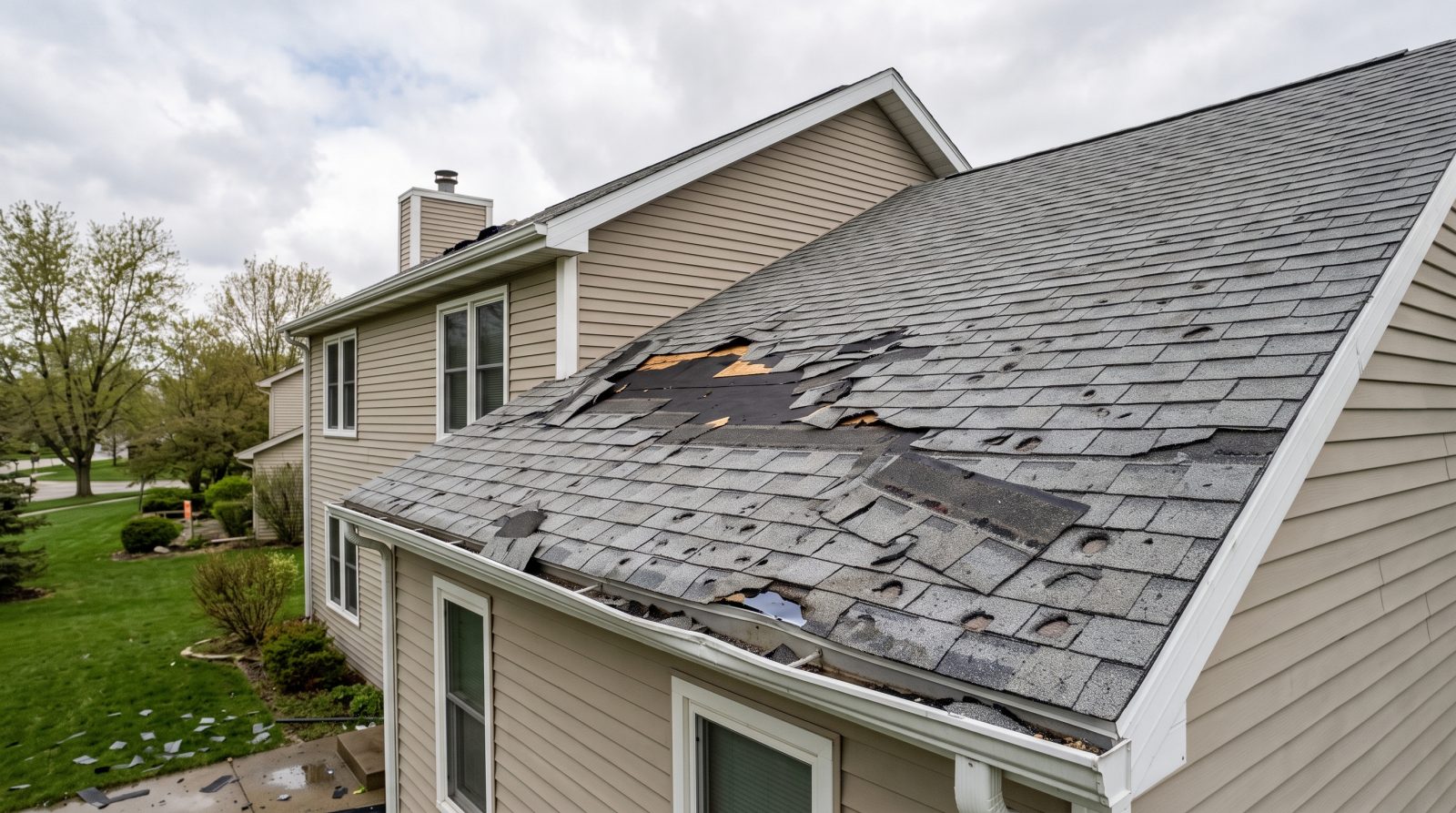
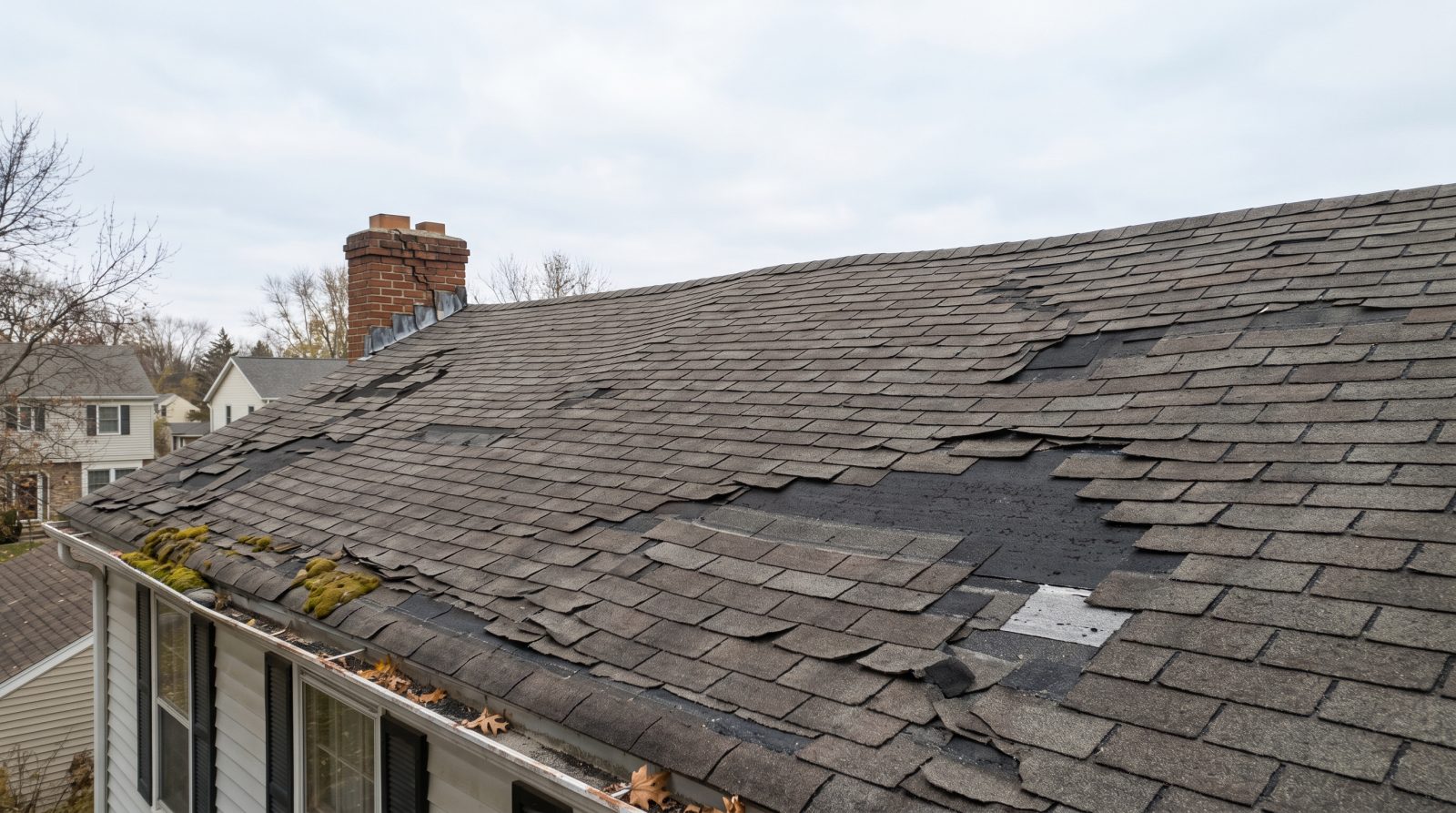
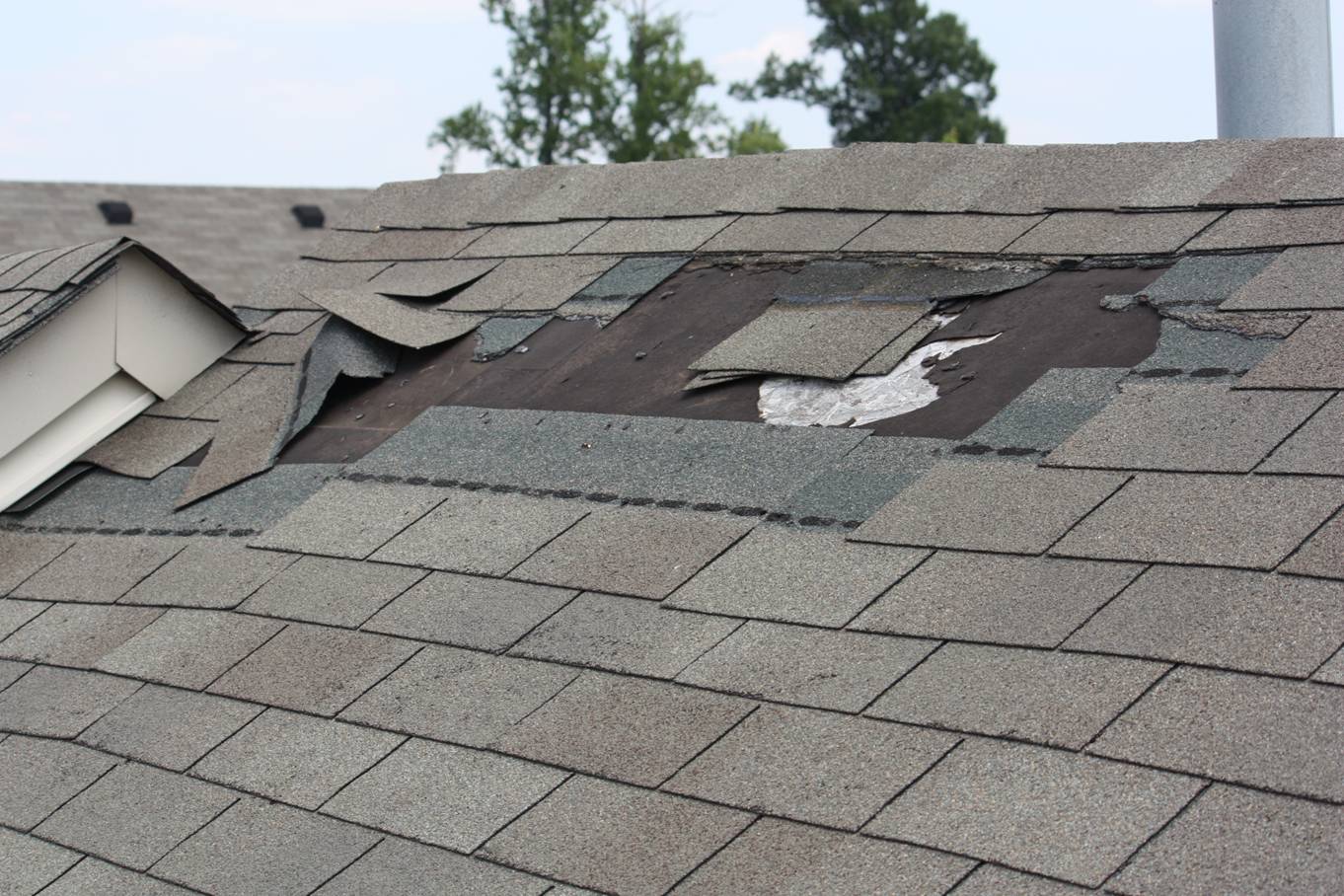
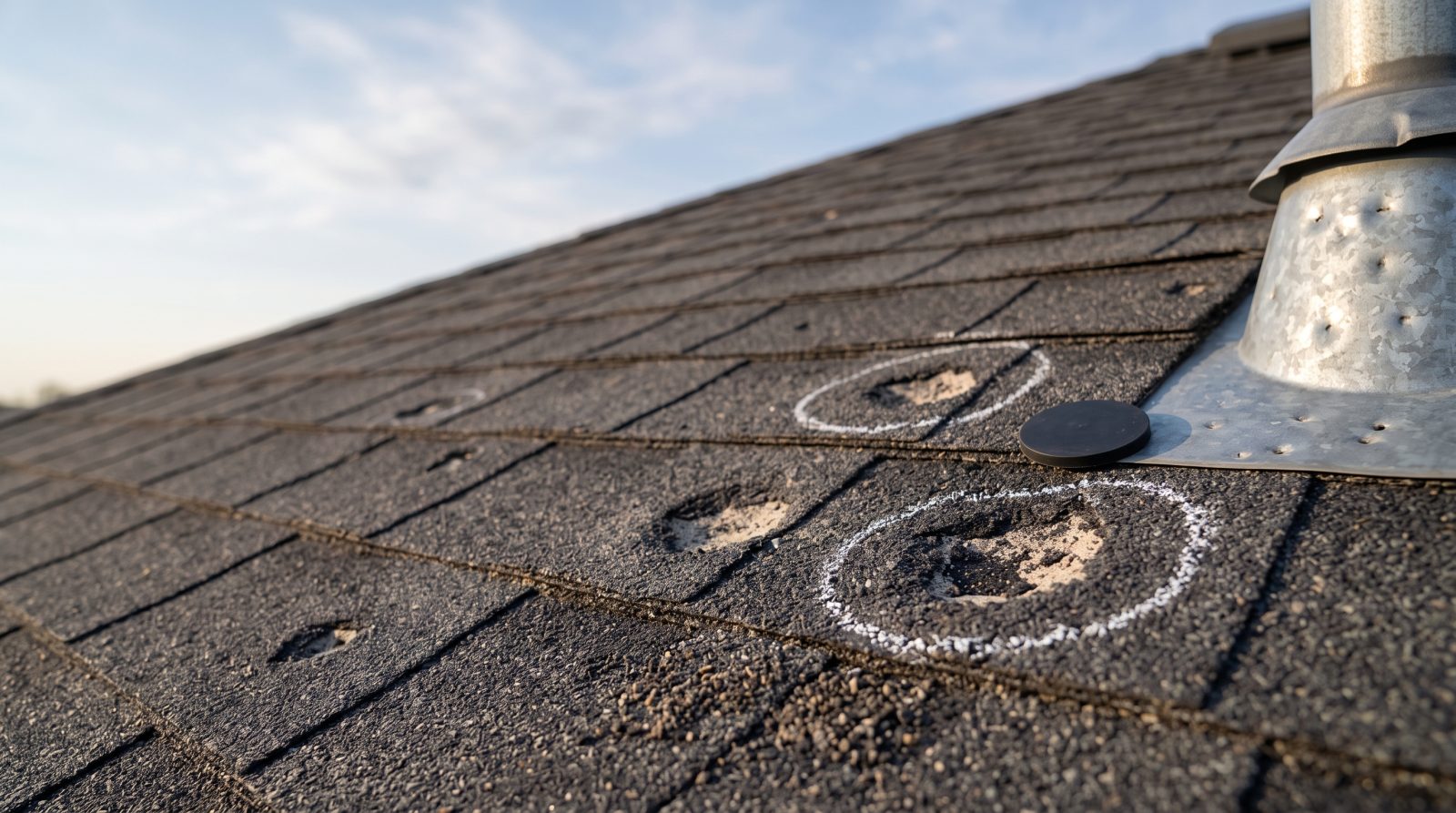
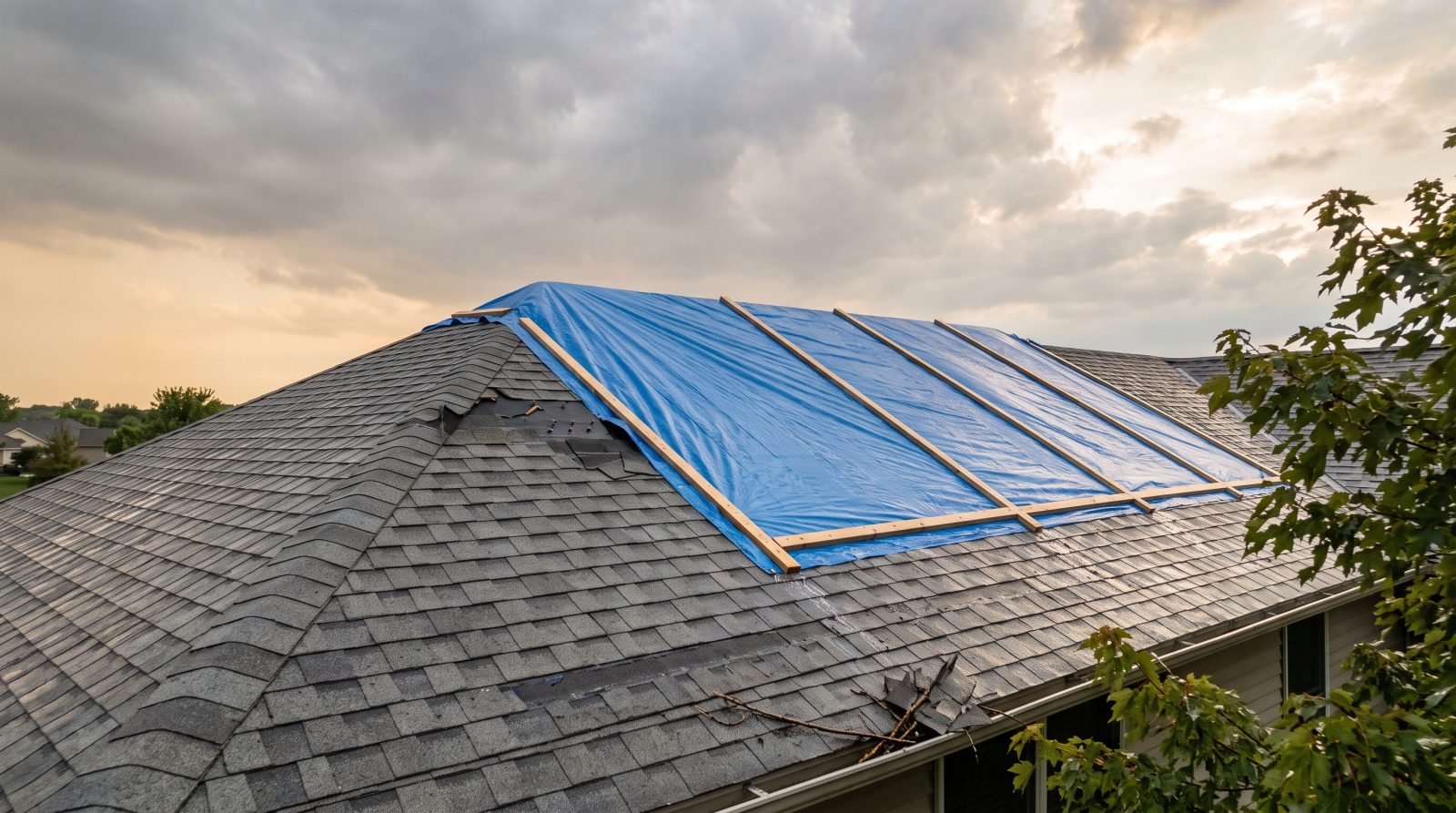
- Storm and wind damage repair — addressing lifted, cracked, or missing shingles, punctures, and flashing failures after severe weather.
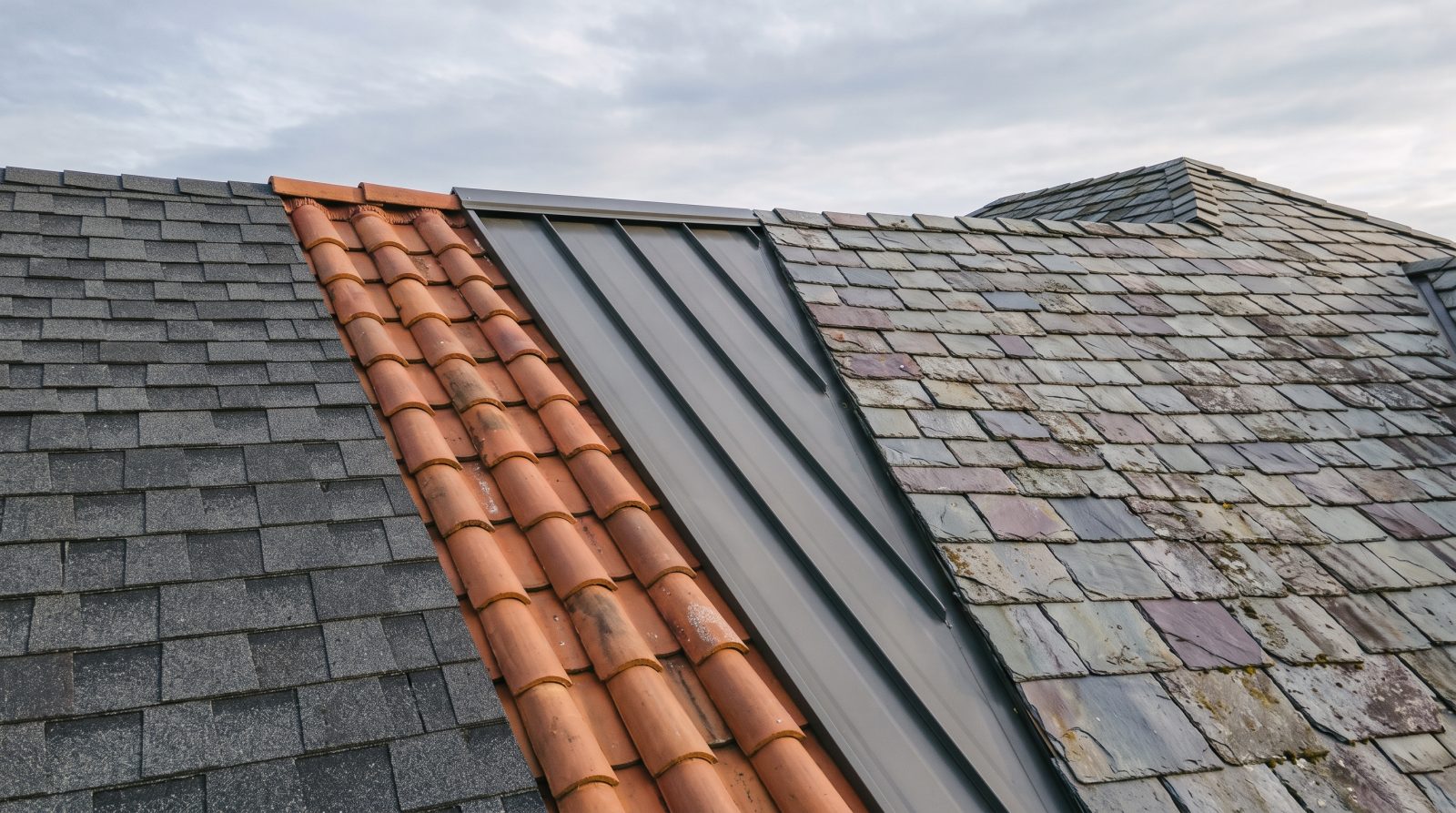
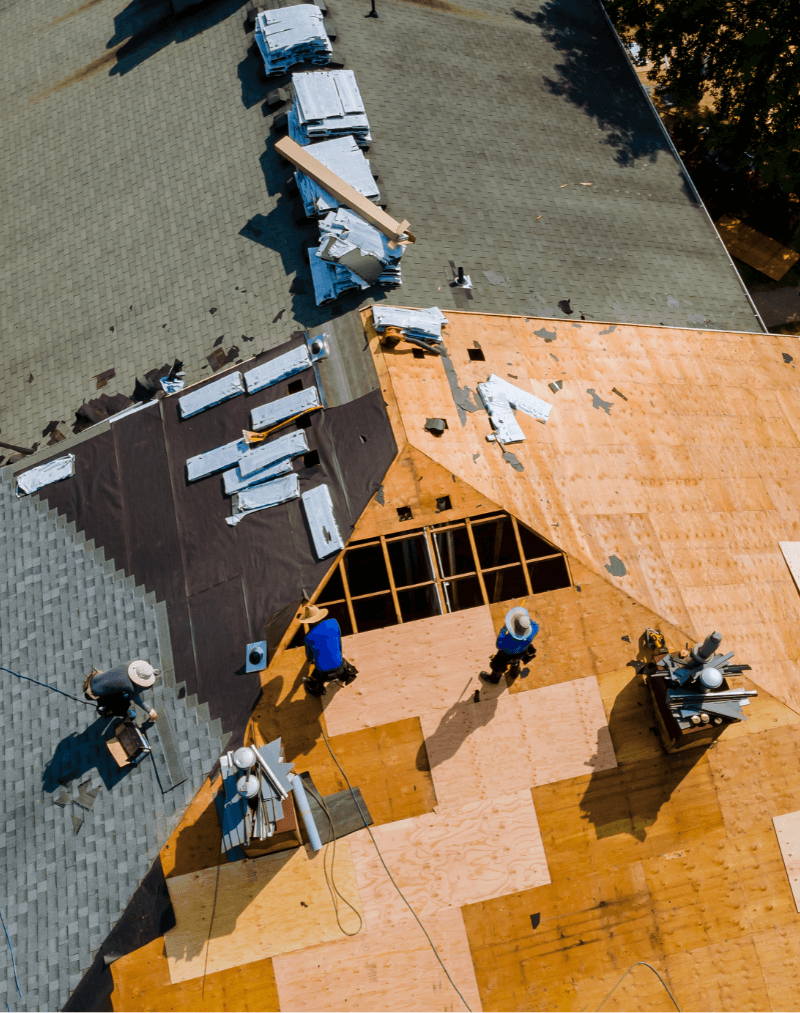
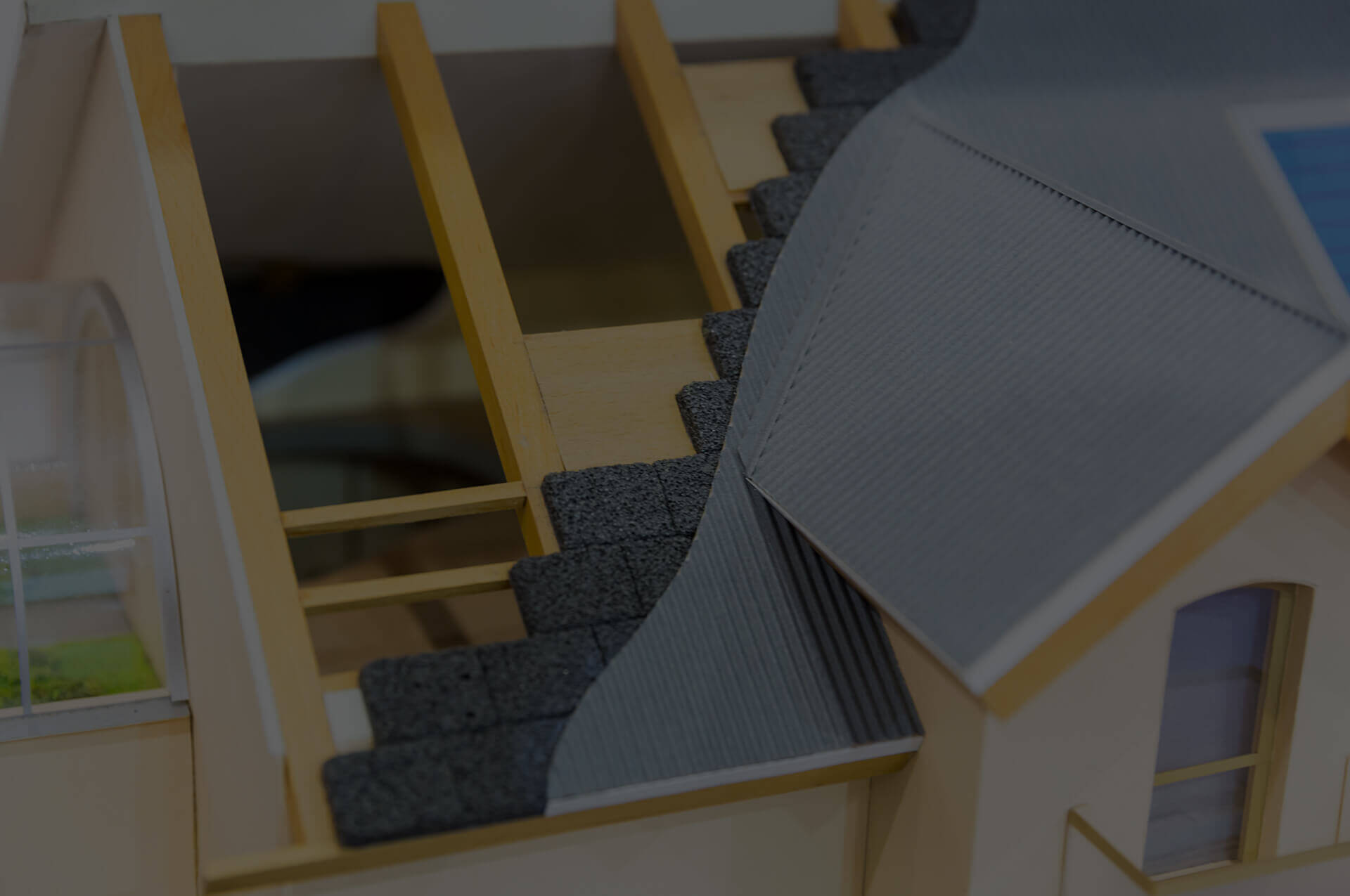
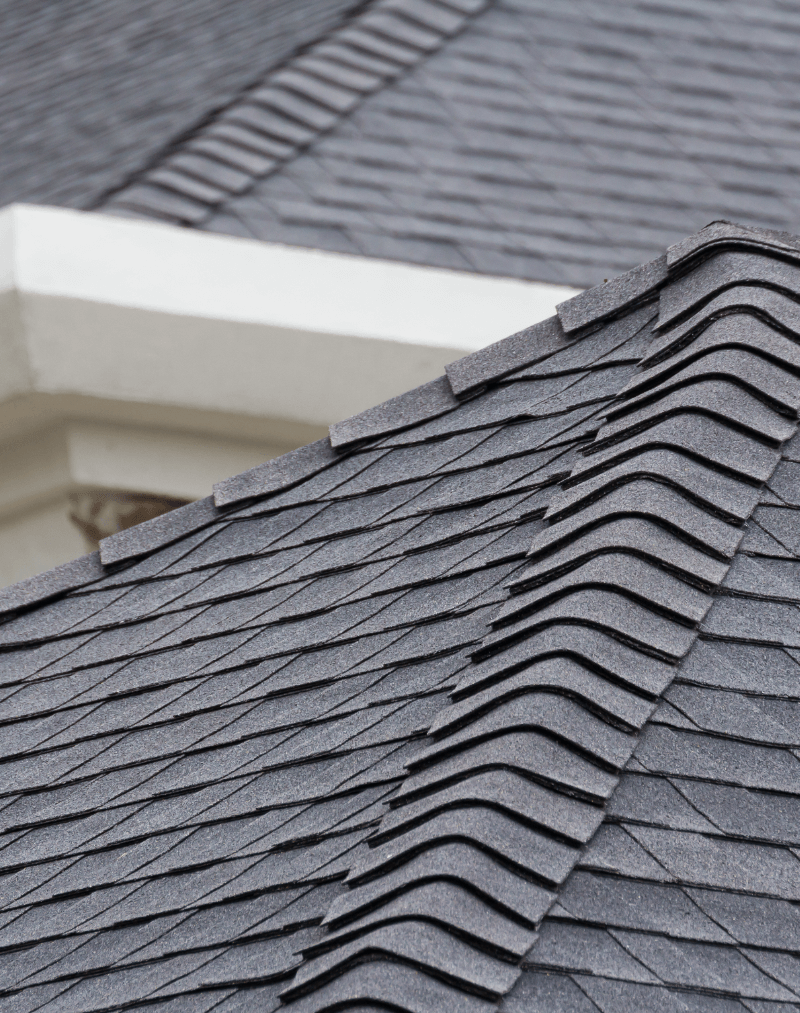
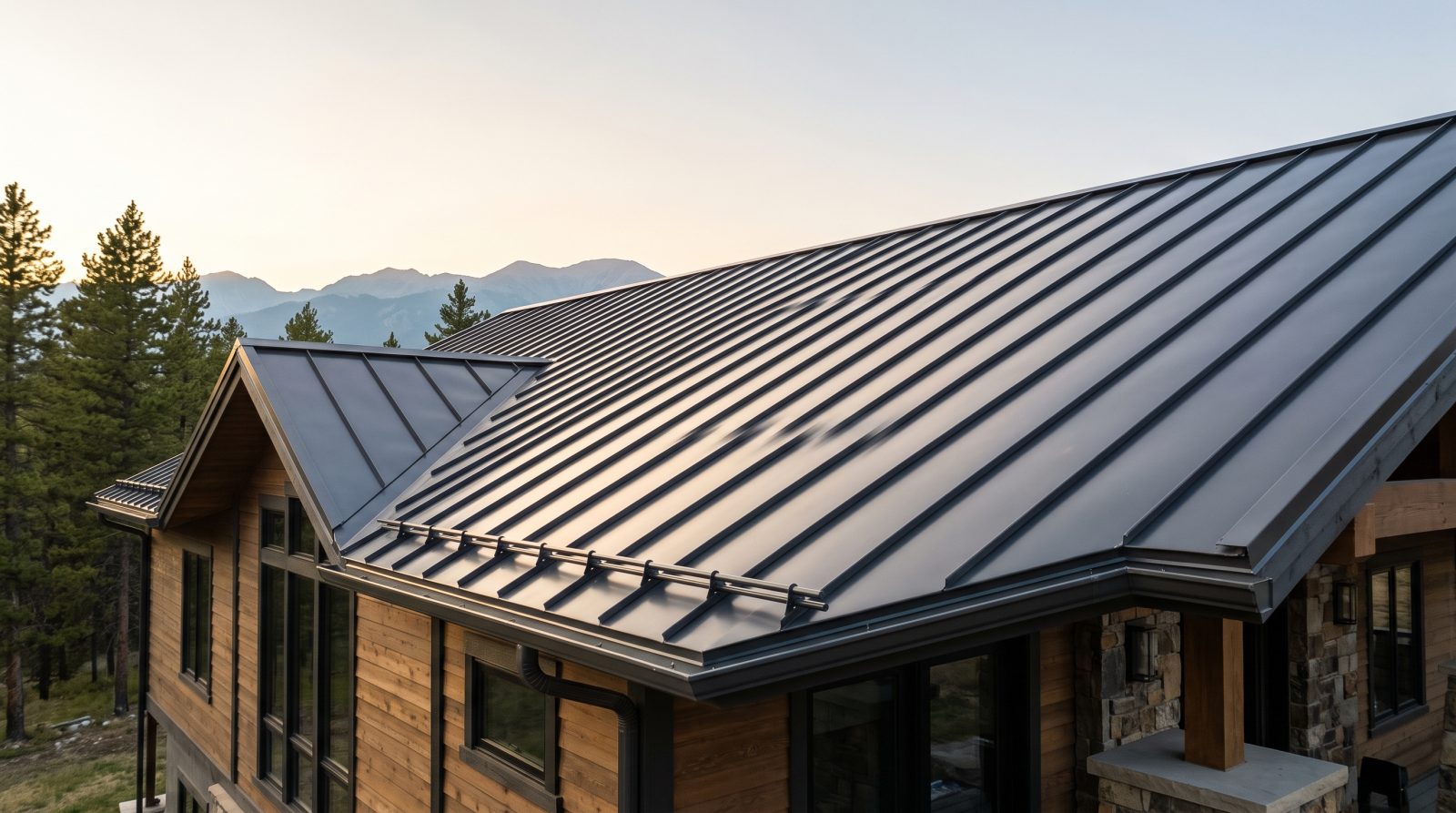
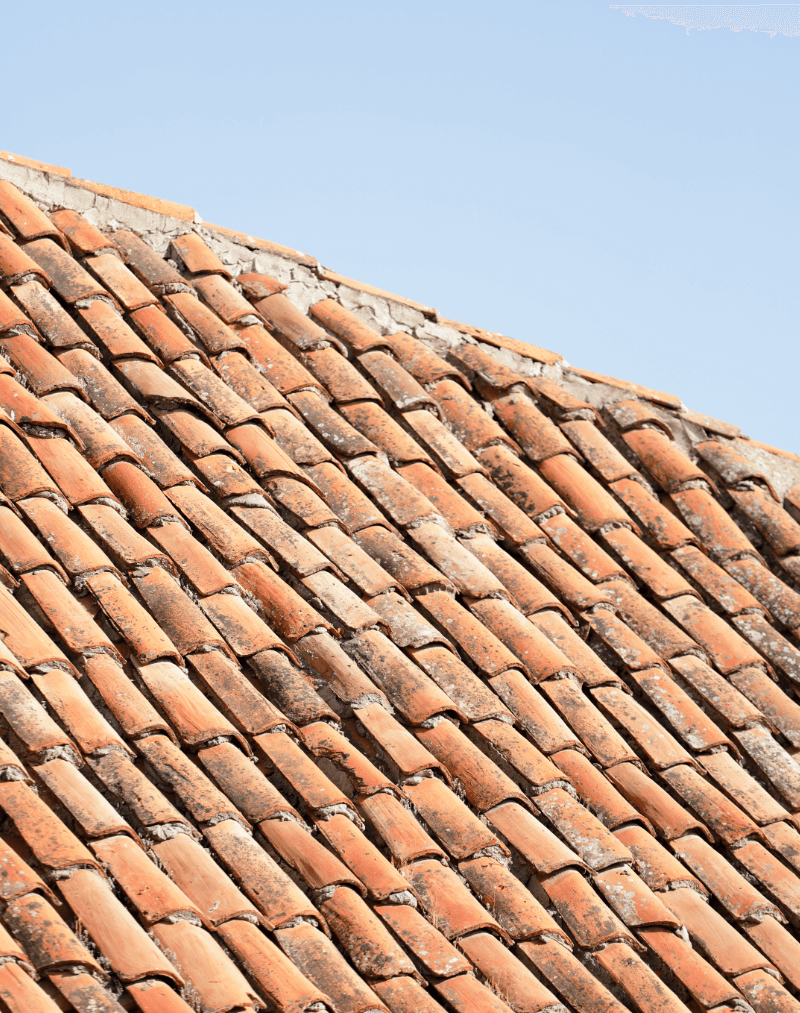
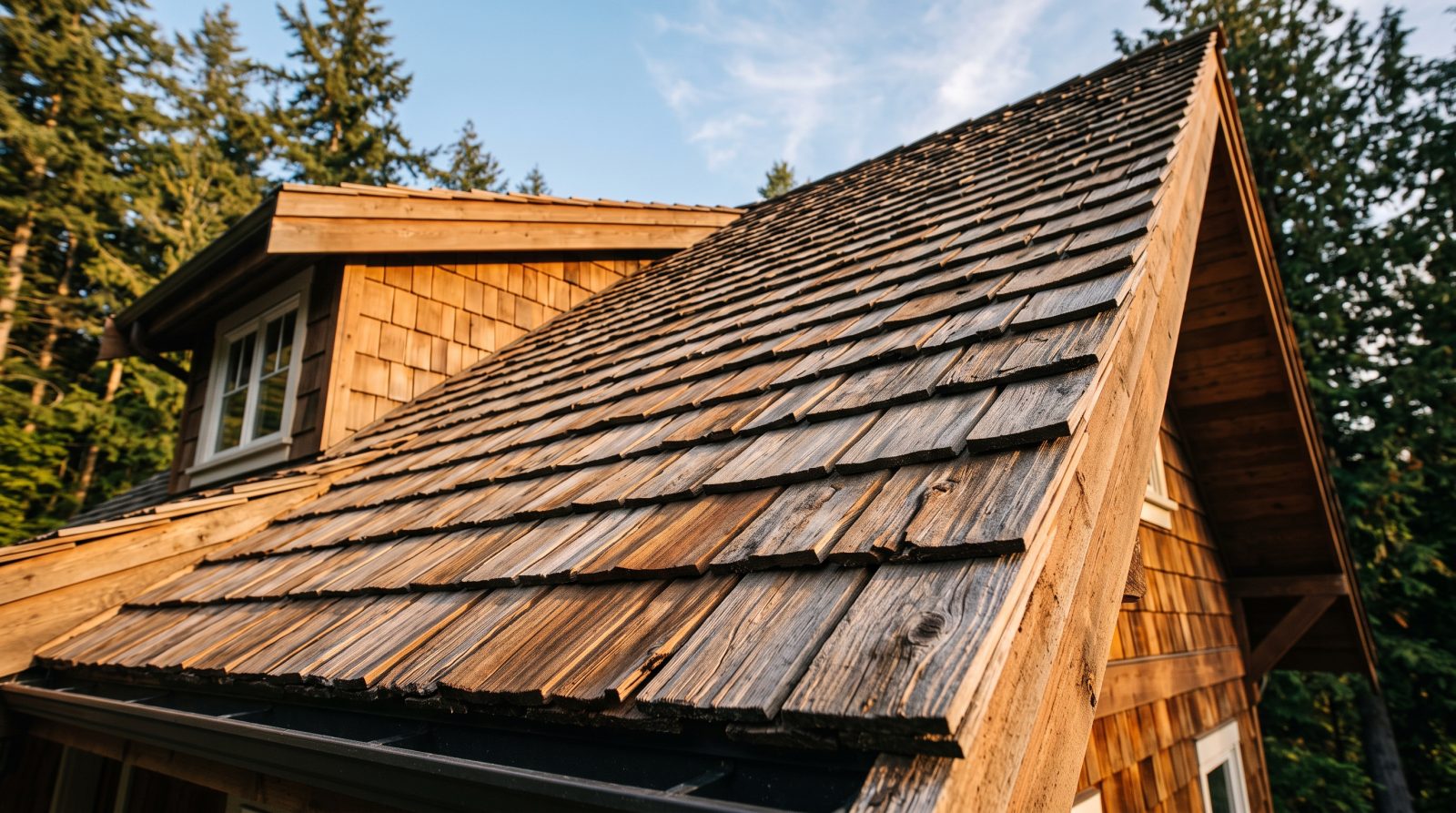
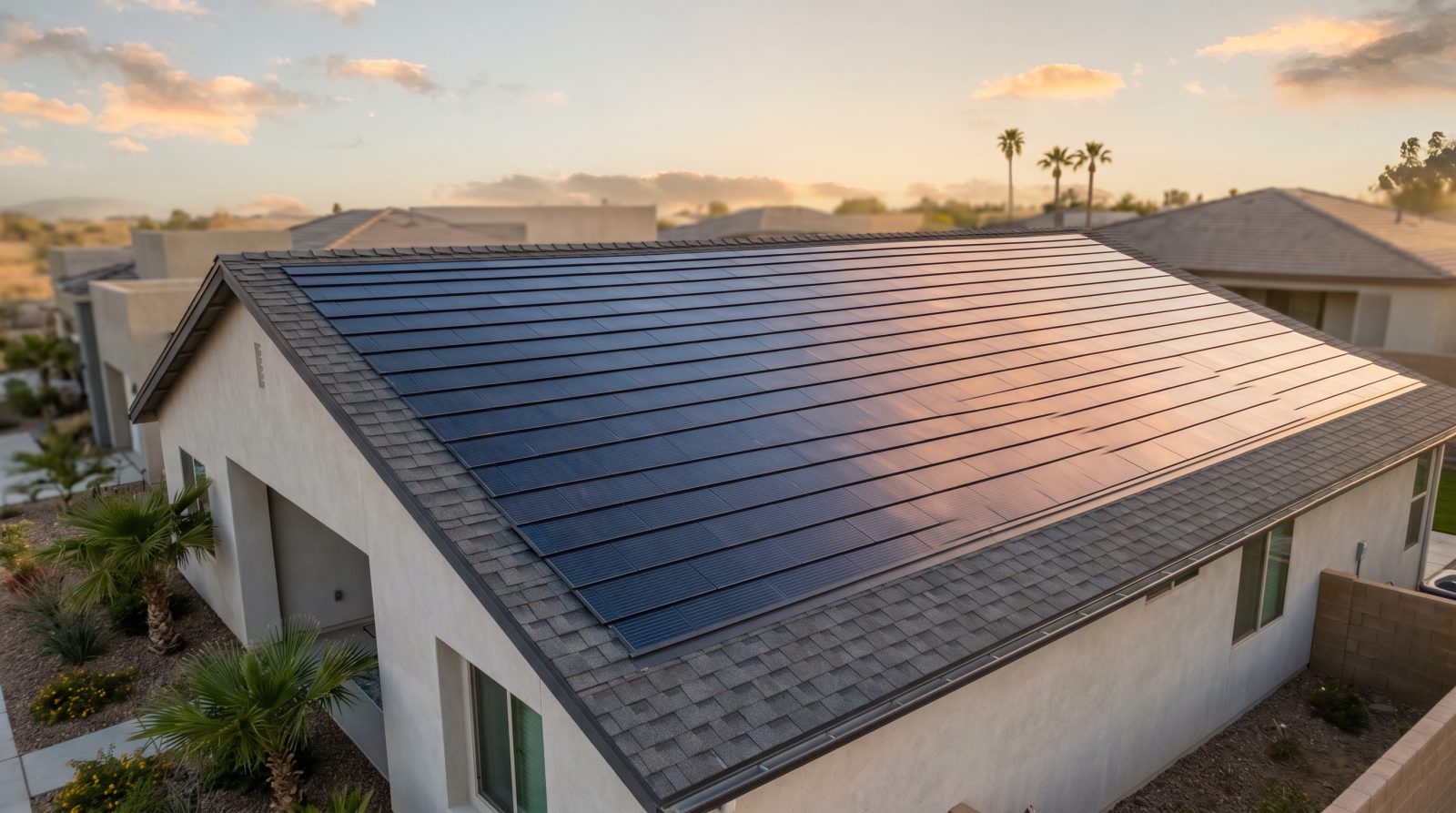
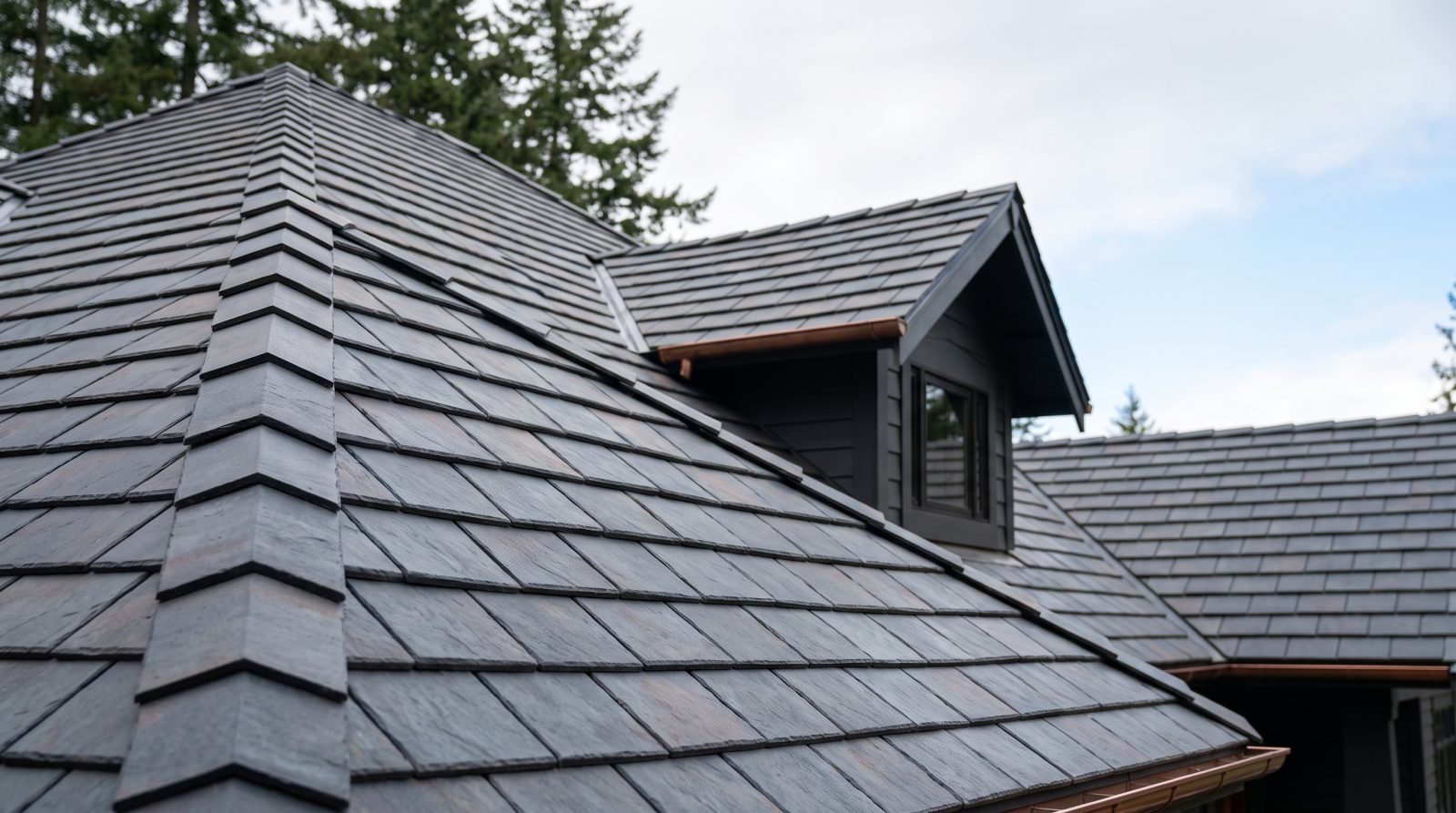
- Roof replacement — full tear-off and re-roof when repairs no longer make economic sense, including asphalt shingle, metal, tile, and flat/low-slope systems.
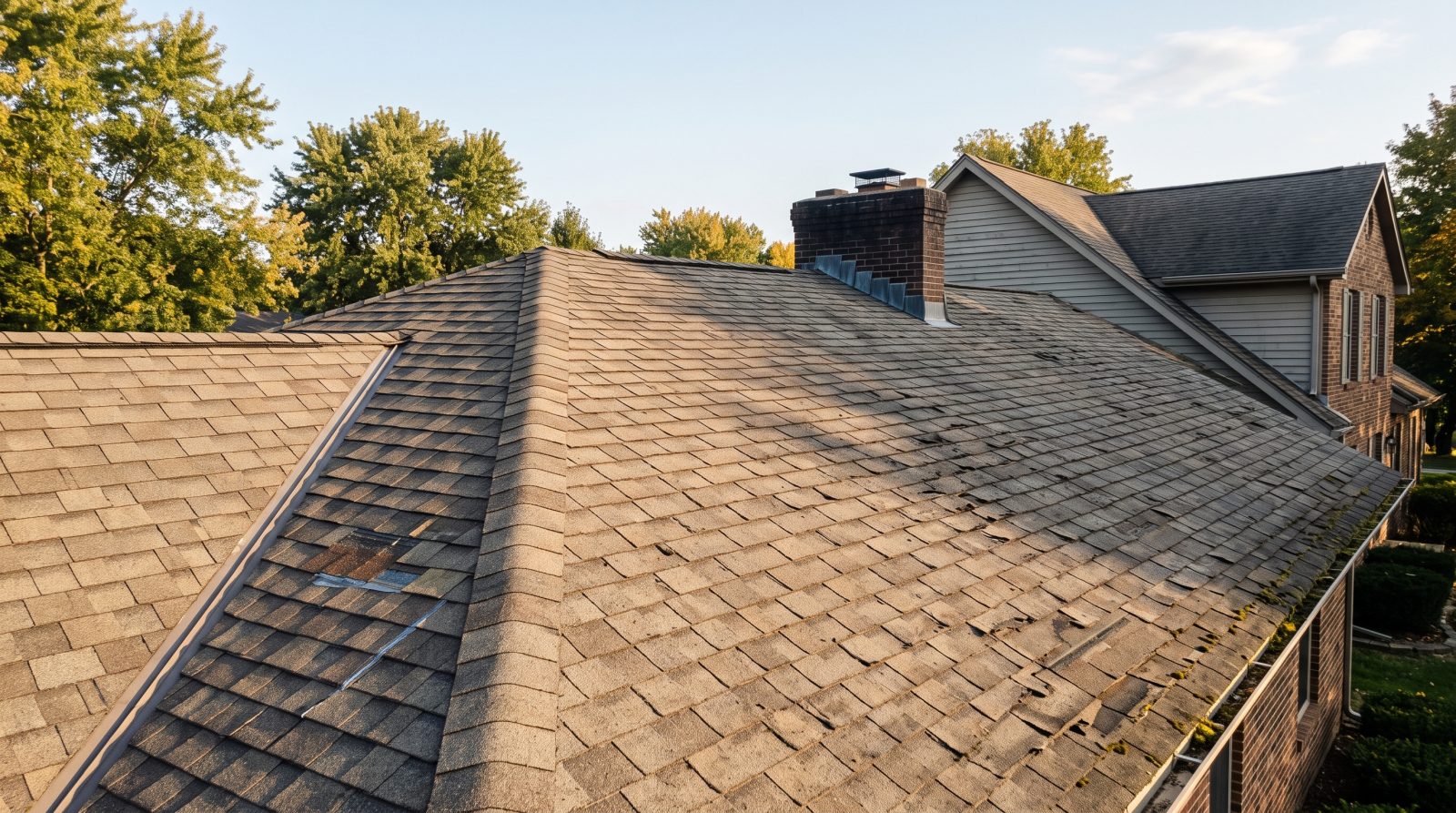
- Roof inspections and assessments — a professional eye on the roof's condition, remaining life, and any developing problems before they escalate.
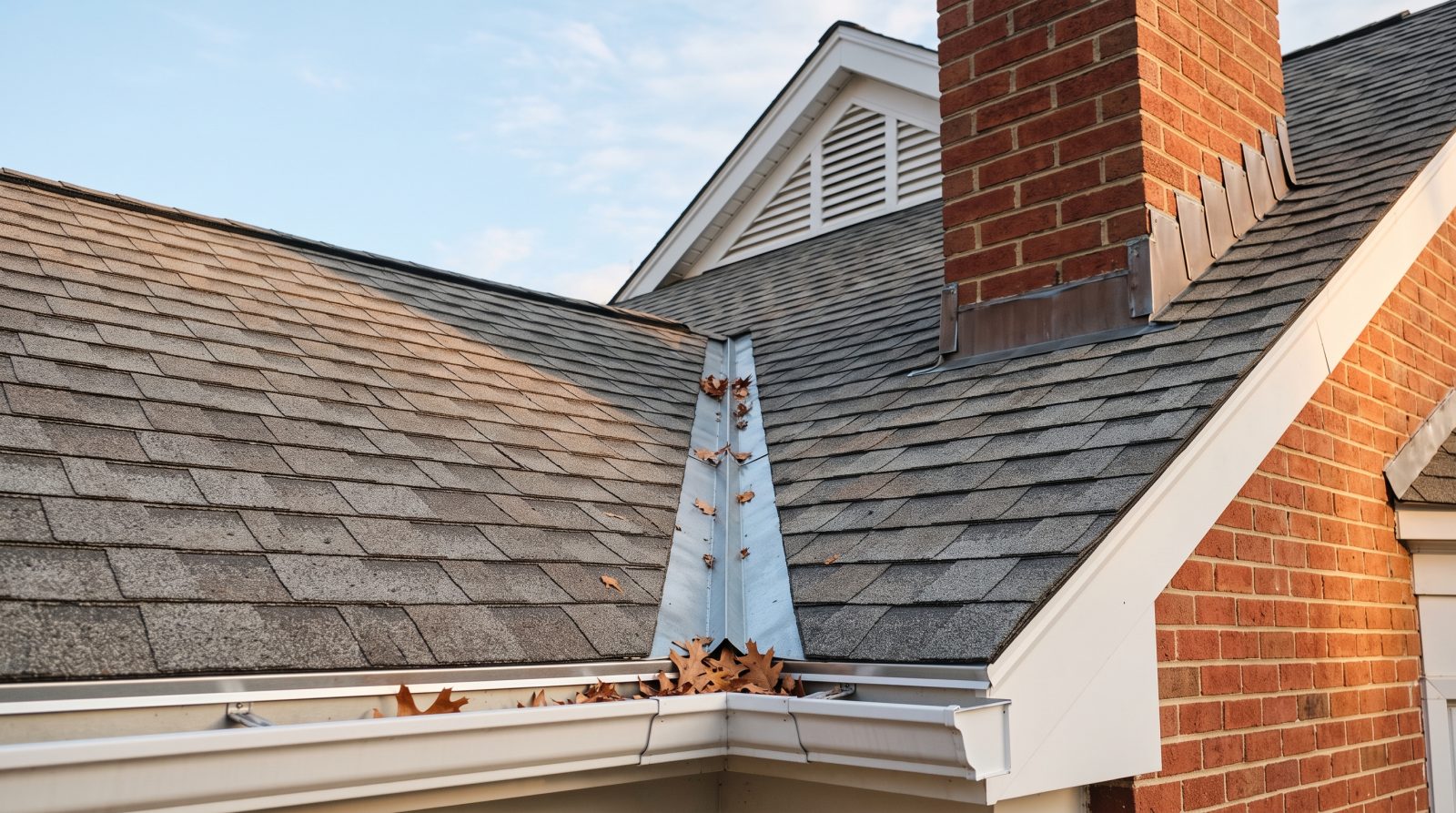
- Flashing, vent, and chimney work — sealing the penetrations and transitions where the vast majority of leaks actually begin.
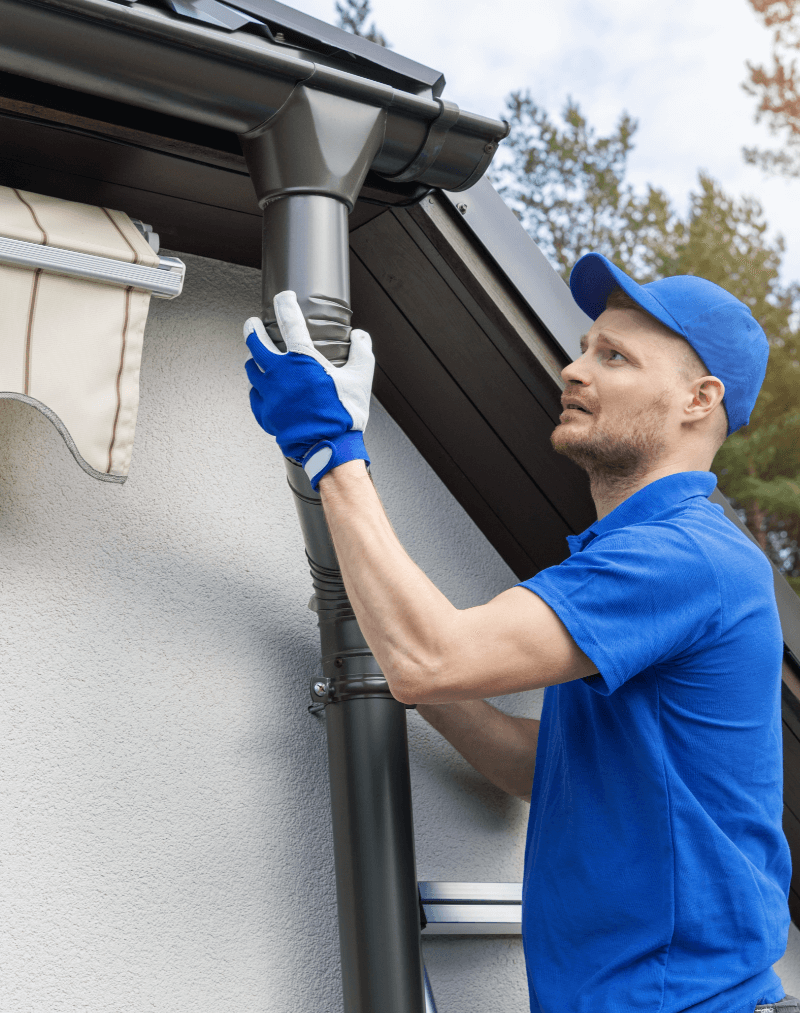
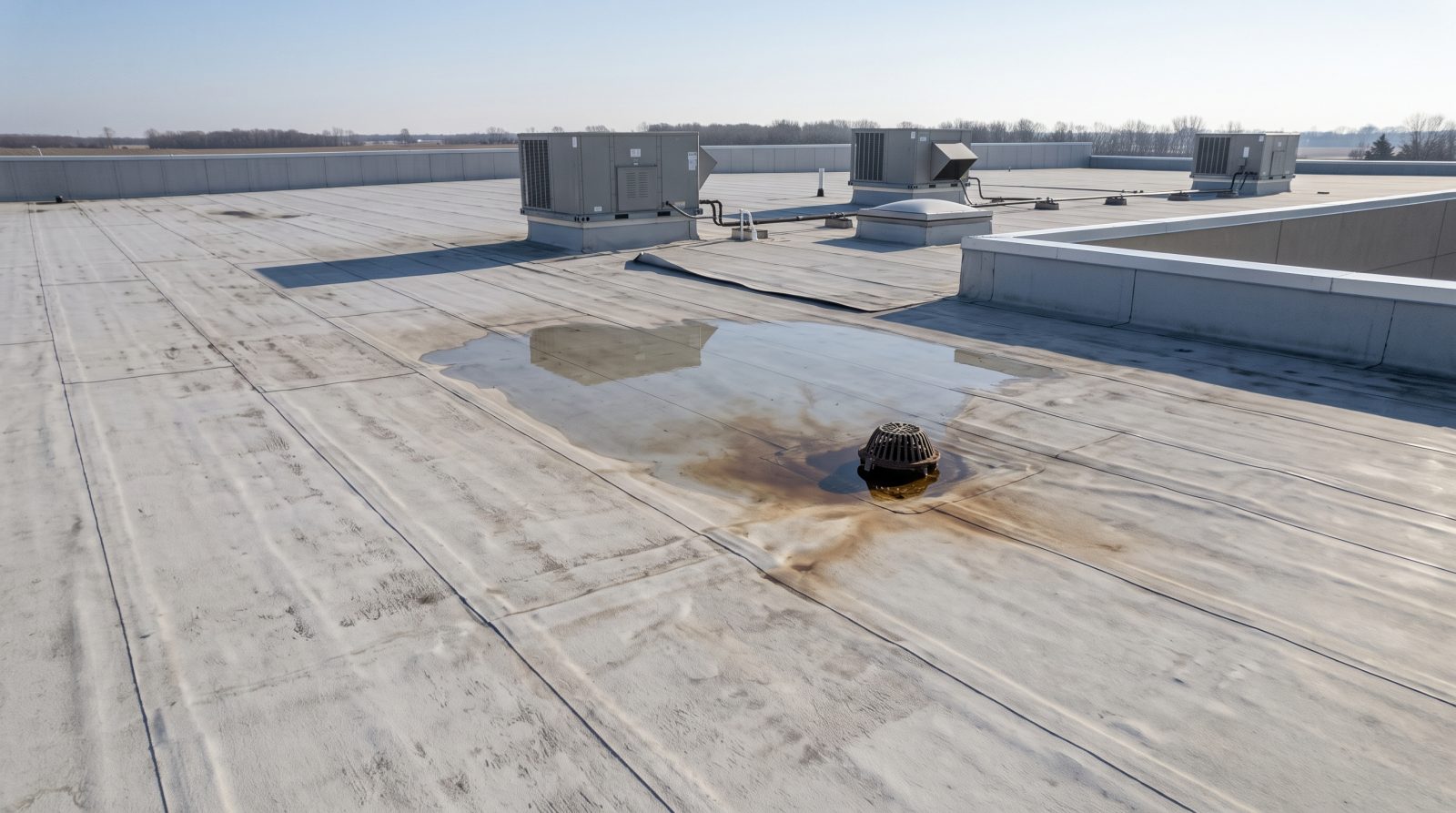
- Gutter and drainage support — keeping water moving off and away from the roof so it does not back up under shingles or pool on flat roofs.
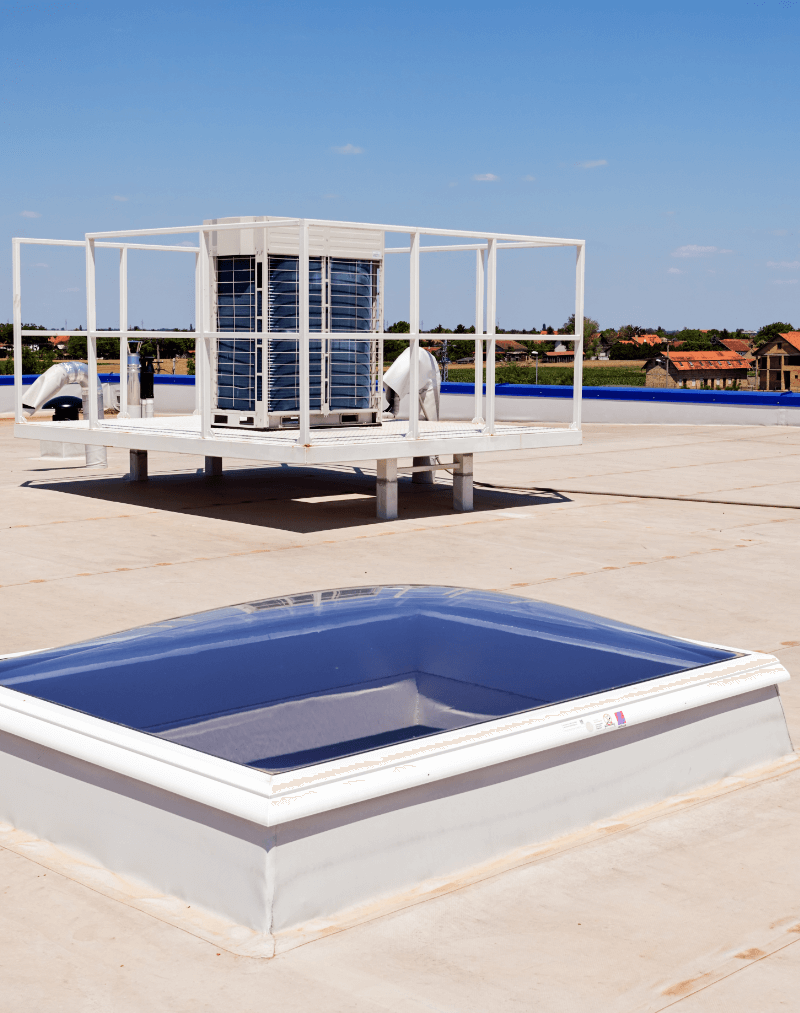
- Commercial and flat-roof service — TPO, EPDM, modified bitumen, and other low-slope systems for business properties.
Why Homeowners and Businesses Choose Roof Repairs
The roofing industry has a trust problem, and most homeowners feel it the moment a stranger climbs onto their roof and comes back down with a verdict they cannot independently check. We built Roof Repairs to be the opposite of that experience: a brand that treats you like an informed decision-maker, explains the reasoning behind every recommendation, and does not pressure you into work you do not need.
Because we operate nationwide, our priority is matching your specific roof, climate, and budget to the right scope of work — sometimes that is a targeted repair, sometimes it is a full replacement, and sometimes it is simply a clear inspection that buys you a few more years of confidence.
- Straight answers first — we tell you what your roof actually needs, including when the honest answer is 'this can wait.'
- Nationwide roofing help — service for homeowners and businesses across the United States, with guidance tuned to your region and climate.
- Education built in — every recommendation comes with the reasoning, so you understand your options instead of just signing a contract.
- Free roof assessment — a no-cost starting point so you can make a decision with real information, not pressure.
- Clear, transparent estimates — typical cost ranges explained up front, with the factors that move your number in either direction.
How It Works: From First Call to Finished Roof
Getting roofing help should not feel like a black box. Our process is intentionally simple and transparent, so you always know what is happening and what comes next. The goal is to remove the anxiety from the experience — most people only re-roof once or twice in a lifetime, so it is completely normal to start with questions rather than answers.
From the first phone call to the final cleanup, the emphasis is on communication. You will understand the condition of your roof, the options available to you, and what each option realistically costs before any work begins.
- 1. Reach out — call (669) 259-2777 and describe what you are seeing: a leak, missing shingles, storm damage, an aging roof, or a simple desire for peace of mind.
- 2. Get an assessment — a professional evaluates the roof's condition, identifies the real source of any problem, and documents what they find.
- 3. Review clear options — you receive an explanation of your choices (repair vs. replace, material options, scope) along with a transparent estimate and the factors behind it.
- 4. Approve the plan — work proceeds only with your understanding and agreement; no surprise scope and no surprise charges.
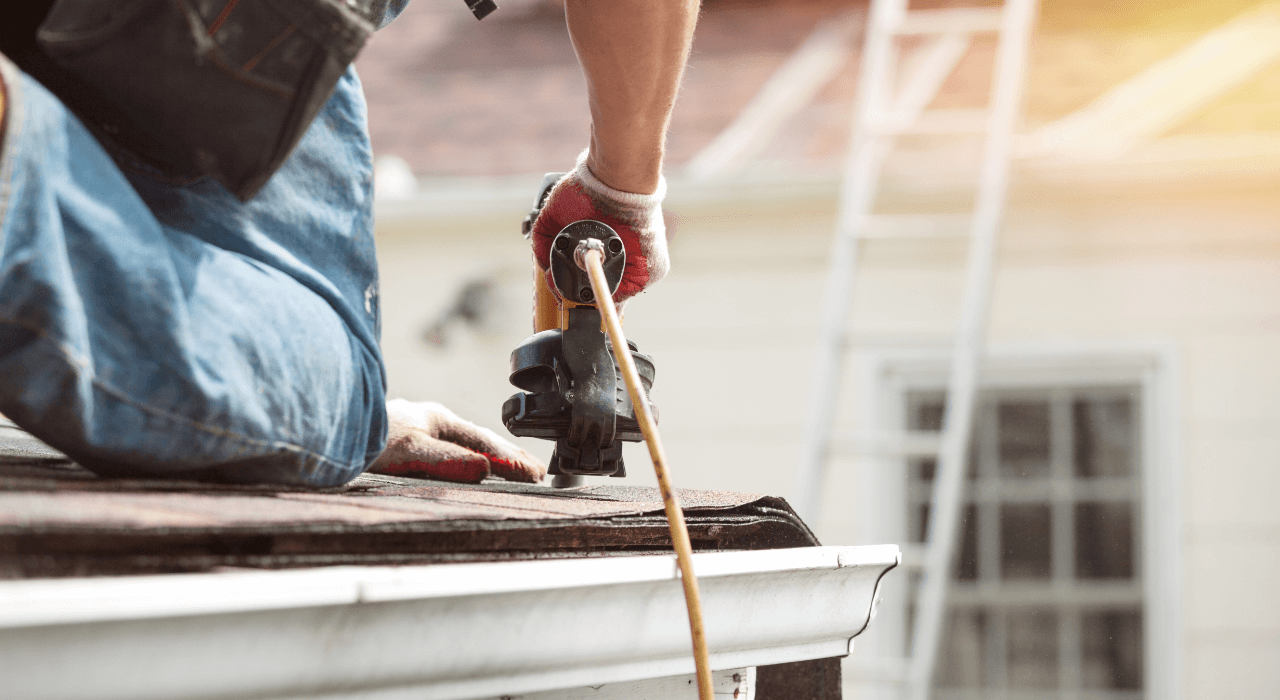
- 5. Quality completion — the work is done with care, the site is cleaned up, and you finish knowing exactly what was done and why.
How to Tell When Your Roof Needs Attention
Roofs rarely fail all at once. They send warning signs for months or even years before a small problem becomes an expensive emergency. Learning to read those signs is one of the most valuable things a homeowner or business owner can do, because catching an issue early is almost always dramatically cheaper than catching it late — a few-hundred-dollar flashing repair ignored long enough can turn into a five-figure deck, insulation, and drywall replacement.
A useful habit is a simple ground-level check two or three times a year, especially after major storms and at the change of seasons. You do not need to climb up — most of these signs are visible from the yard, the attic, or the ceiling inside. If you spot several of them, it is worth a professional look before the next big weather event.
Different climates accelerate different failure modes. In hot, sunny regions UV breaks down shingles from above; in cold, wet regions freeze-thaw and ice dams pry materials apart; in storm-prone areas a single event can lift or crack shingles that then leak quietly for months. When in doubt, an assessment costs nothing and removes the guesswork.
- Water stains, discoloration, or sagging on ceilings or interior walls.
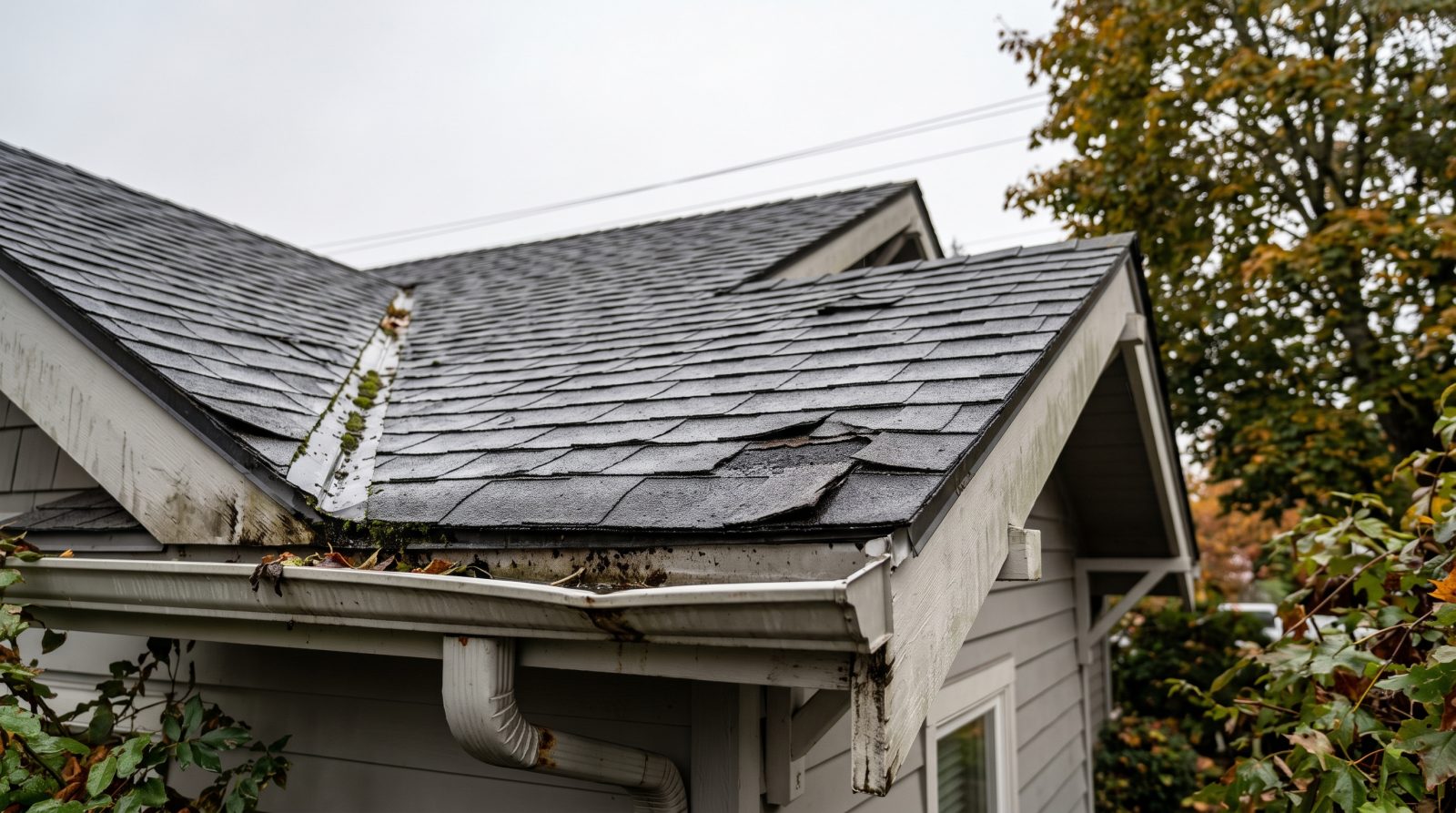
- Shingles that are curling, cracked, blistered, or missing, or granules collecting in gutters and downspouts.
- Daylight visible through the roof boards in the attic, or damp insulation and a musty smell.
- Flashing around chimneys, vents, and skylights that is rusted, cracked, or pulling away.
- Moss, algae streaks, or persistent dampness that signals trapped moisture.
- A roof that is simply old — most asphalt shingle roofs last roughly 15 to 30 years depending on material quality, climate, and installation.
Understanding Roofing Costs (Typical Ranges)
One of the most common questions we hear is simply, 'What is this going to cost me?' It is a fair question, and the honest answer is: it depends — but that does not mean you should be left in the dark. The figures below are typical industry ranges meant to help you set expectations and budget. They are estimates that vary widely by region, roof size and pitch, material choice, the extent of damage, and how much underlying repair is needed once work begins. They are not a quote or a guarantee.
The biggest single driver is usually scope: a localized repair is in a very different world from a full tear-off and replacement. Material is the next major factor — asphalt shingles sit at the affordable end, while metal, tile, and slate cost considerably more up front but can last far longer. Regional labor rates, steep or complex roof designs, and accessibility all push the final number up or down. The only way to get an accurate figure for your specific roof is a real assessment.
- Minor leak or shingle repairs: often a few hundred to roughly $1,500, depending on access and the underlying cause (estimate, varies).
- Moderate repairs (flashing, sections of shingles, small areas of decking): commonly in the low-to-mid four figures (estimate, varies).
- Full asphalt shingle roof replacement: frequently in the range of roughly $6,000 to $20,000+ for an average home, driven heavily by size and region (estimate, varies).
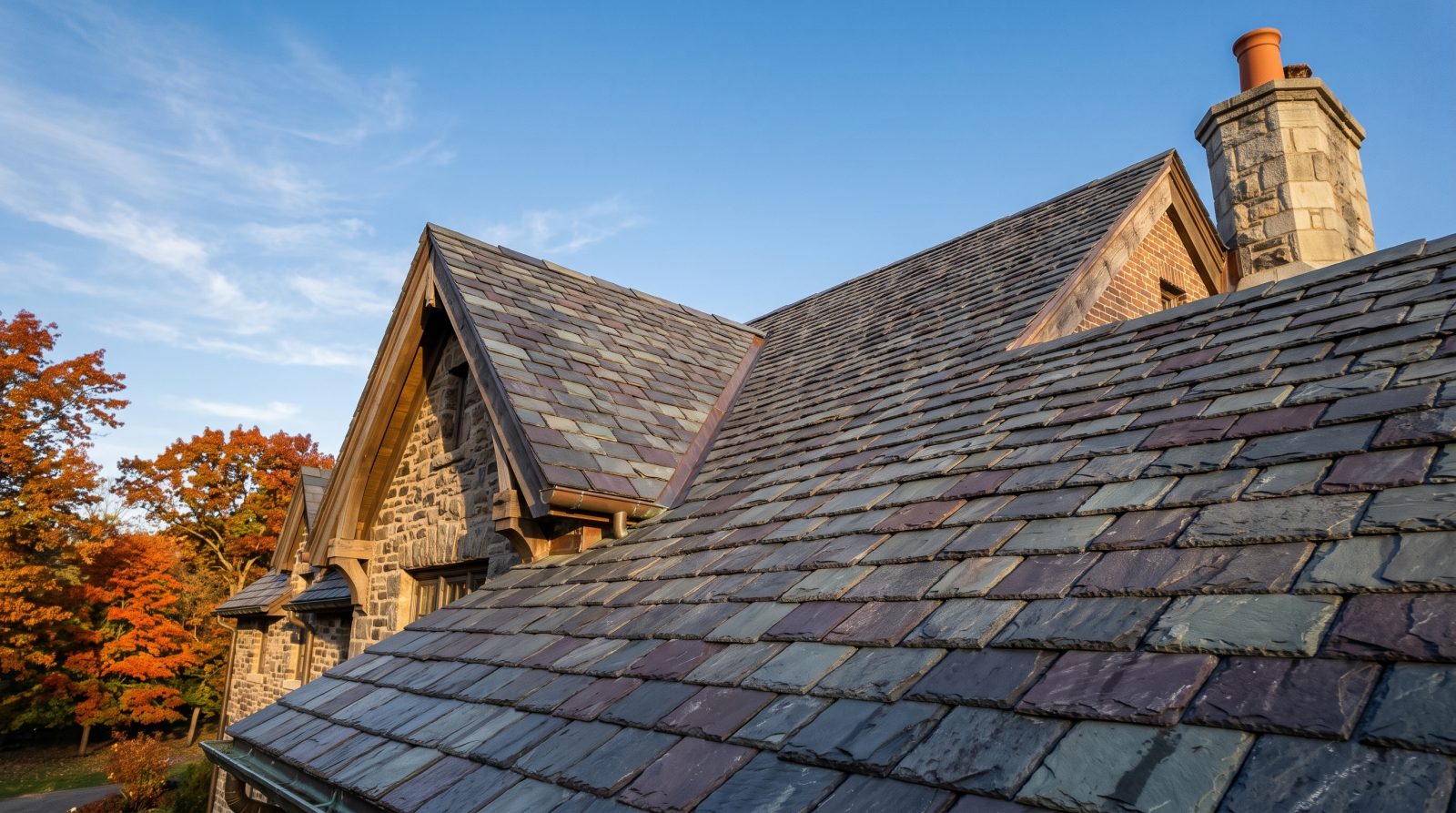
- Premium materials (metal, tile, slate): can run substantially higher than asphalt, often well into the tens of thousands, in exchange for much longer lifespan (estimate, varies).
- Commercial and flat-roof work: priced by system type, square footage, and condition, and best scoped with an on-site assessment (estimate, varies).
Repair vs. Replace: Making the Right Call
When something goes wrong, the instinct is often to assume the worst and brace for a full replacement — but that is frequently not necessary. The repair-versus-replace decision comes down to a few practical questions: How old is the roof relative to its expected lifespan? How widespread is the damage? Is the problem isolated, or a symptom of the whole system wearing out? And does the math favor spending money now to extend the roof, or investing in a system that will last decades?
As a rough guide, an isolated problem on a roof with plenty of life left is usually a repair. A roof near the end of its lifespan with damage in multiple areas is usually a candidate for replacement, because repeated patch jobs on a failing roof tend to cost more over time than addressing it once. A good roofer will lay out both paths honestly and let you decide with the full picture — including when a repair is the smarter, more economical choice. That kind of straight guidance is exactly what we aim to provide on every assessment. To talk through your specific situation with no pressure and no cost, call (669) 259-2777 for a free roof assessment.