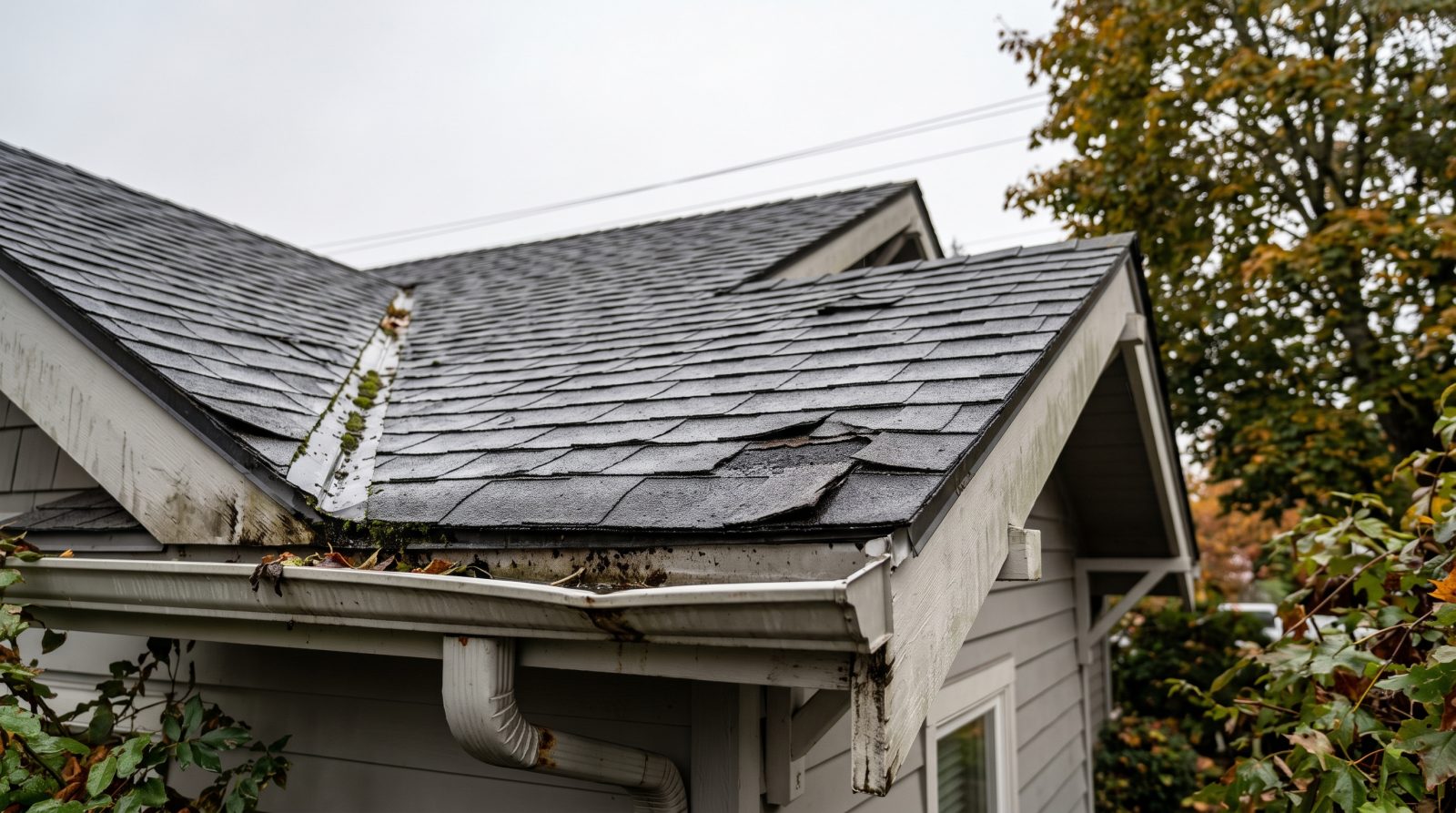
Why Inspecting From the Ground and the Attic Beats Climbing Up
There's a common assumption that the only real way to check a roof is to get up on it. For homeowners, that's almost always the wrong move. Walking a roof is genuinely dangerous — falls from roofs are a leading cause of serious home-maintenance injuries — and an untrained foot can crack tiles, scuff asphalt granules, or loosen flashing, creating the very damage you were trying to find. The good news is that the two safest vantage points, the ground and the attic, will reveal the overwhelming majority of problems worth knowing about.
Think of it as inspecting the roof from both sides of the same wall. From the ground, you read the exterior: the shingles, flashing, gutters, and rooflines that take the direct hit from sun, wind, hail, and rain. From the attic, you read the interior story those same forces leave behind: stains, daylight, damp insulation, and the early smell of moisture. A problem that's invisible from one side is often obvious from the other, which is why doing both inspections together is far more powerful than doing either alone.
This two-sided approach also works in every climate. A homeowner in the humid Southeast is hunting for different clues (algae, rot, trapped moisture) than someone in the arid Southwest (UV cracking, brittle materials) or the snowbelt North (ice-dam staining, gutter strain). The method is the same nationwide — what changes is which warning signs show up most often, which we'll flag as we go.
- Ground inspection = exterior condition: shingles, flashing, gutters, rooflines
- Attic inspection = interior evidence: leaks, daylight, damp insulation, ventilation
- Together they catch the vast majority of issues without anyone setting foot on the roof
- Safe for any DIY skill level — your main tools are good eyes, binoculars, and a flashlight
Ground-Level Inspection: A Walk Around the House
Start with a slow, deliberate lap around your home on a dry, clear day. Bring a pair of binoculars — they let you read individual shingles and flashing details from a safe distance — and a phone or notepad to photograph and log anything that looks off. Walk the full perimeter and look at the roof from several angles, because damage that hides in shadow from one direction often catches the light from another. Pay special attention to the slopes that face the prevailing weather and the most direct afternoon sun, since those age fastest.
Begin with the shingle field itself. On asphalt roofs, you're looking for shingles that are missing, cracked, curling at the edges, or buckling in the middle. Dark patches or streaks of bare spots can mean the protective granules are washing off — check your gutters and the ground beneath downspouts for granule buildup that looks like coarse black sand, a classic sign an asphalt roof is wearing out. On tile or slate, scan for cracked, slipped, or missing pieces. On metal, look for loose panels, lifted seams, rust, or fasteners that have backed out.
Next, study the transitions and metal — this is where most leaks actually begin. Flashing is the metal that seals the joints around chimneys, skylights, vents, and where the roof meets a wall. From the ground with binoculars, look for flashing that's lifted, rusted, separated, or has cracked sealant. Then follow the rooflines: a ridge or eave that visibly sags, dips, or waves is a structural warning sign that deserves professional attention, not a DIY fix.
Finish with the gutters, fascia, and anything attached to the roof. Gutters that sag, overflow, or pull away from the house often signal water that isn't draining properly — a slow-motion cause of edge rot. Look for peeling paint or soft, dark wood on the fascia and soffits, and check that chimney crowns and vent boots aren't cracked or crumbling. After a storm, repeat this whole lap: wind and hail damage frequently shows as freshly displaced shingles, dented metal, or scattered debris.
- Shingles: missing, cracked, curling, buckling, or losing granules (check gutters for grit)
- Flashing: lifted, rusted, or separated metal around chimneys, vents, skylights, and walls
- Rooflines: any sag, dip, or wave along the ridge or eaves (possible structural issue)
- Gutters & fascia: sagging, overflow, peeling paint, or soft/dark wood at the edges
- Penetrations: cracked vent boots, damaged chimney crown, missing pipe-collar sealant
- Post-storm: walk the perimeter again to catch wind-lifted or hail-dented areas
Attic Inspection: Reading the Roof From the Inside
The attic is where a roof quietly confesses its problems, often long before any stain reaches your living-room ceiling. Pick a bright day and, ideally, also check during or just after heavy rain when active leaks reveal themselves. Bring a strong flashlight, wear a dust mask, and step only on the joists or solid decking — never on the insulation between them, which won't hold your weight. Move slowly and let your eyes adjust so you can spot subtle discoloration.
First, turn off your flashlight for a moment and look up. Any pinpricks or shafts of daylight coming through the roof deck mean there are gaps where water can follow. Then turn the light back on and scan the underside of the decking and the rafters for water stains — dark rings, streaks, or discolored patches — and for any wood that looks wet, darkened, or has a soft, spongy, or crumbling texture, which points to rot. Run a hand (gloved) along suspicious spots; damp or springy wood is a clear red flag.
Inspect your insulation as carefully as the wood. Insulation that's matted, compressed, discolored, or damp has likely been soaked at some point, and wet insulation loses most of its R-value while inviting mold. A persistent musty or earthy smell, or visible black, green, or white growth on the wood or insulation, signals moisture that's been present long enough to take hold — worth addressing promptly, because trapped moisture damages structure and air quality.
Finally, assess ventilation and airflow, which is the single most underrated factor in roof longevity nationwide. A well-vented attic should feel roughly in step with the outside air, not like an oven in summer or a damp cave in winter. Blocked soffit vents, missing ridge or gable venting, and bathroom or dryer fans dumping warm, moist air into the attic all trap humidity that rots decking from below and, in cold climates, fuels the ice dams that pry shingles loose. If your attic is stiflingly hot, frosty, or clammy, ventilation is worth a professional look.
- Daylight: any visible pinholes or shafts of light through the roof deck
- Water stains: dark rings, streaks, or discoloration on decking and rafters
- Wood condition: wet, darkened, soft, spongy, or crumbling wood = possible rot
- Insulation: matted, damp, or discolored areas indicate past or active leaks
- Mold/odor: musty smell or visible growth means lingering moisture
- Ventilation: attic that's extremely hot, frosty, or clammy signals airflow problems
- Safety: step only on joists/decking, use a dust mask, and bring a strong light
Decoding the Warning Signs: What Each Clue Actually Means
Finding a symptom is only half the job — knowing what it's telling you helps you decide whether it's a quick fix or an early sign of something bigger. A single missing shingle after a windstorm is usually a localized, straightforward repair. But widespread curling, buckling, or granule loss across the whole roof tends to mean the material has simply reached the end of its service life, and a patch here and there won't buy much time. Reading the pattern matters as much as spotting the individual flaw.
Leak-related clues deserve respect because water travels. A stain on the attic decking is rarely directly below the entry point — water runs along rafters and finds the lowest path before it drips, which is why chasing leaks is genuinely tricky and why the visible ceiling spot in your bedroom may be feet away from the real hole. Likewise, mold and rot are lagging indicators: by the time they're obvious, moisture has been present for a while, so they signal a problem worth solving sooner rather than later.
A few signs should move to the top of your list regardless of climate. A sagging roofline, multiple soft or rotted rafters, daylight through the deck, or an active drip during rain all suggest the roof's ability to keep water out is already compromised. These aren't 'watch and wait' situations — they're the ones where getting a professional assessment quickly tends to save the most money, because the cost of containing a problem early is almost always far lower than repairing the water damage that follows.
- One missing shingle after wind = usually a localized repair
- Widespread curling/granule loss = material likely near end of life (whole-roof issue)
- Attic stain location ≠ leak location — water travels along framing before it drips
- Mold and rot are lagging signs — moisture has been present a while
- Urgent: sagging rooflines, soft/rotted rafters, daylight through the deck, active drips
How Often to Inspect, and a Seasonal Rhythm by Region
A reliable habit beats a single heroic inspection. As a general nationwide rule, look your roof over from the ground a couple of times a year — most homeowners do well with a spring check and a fall check — plus an extra pass after any major storm, high wind, or hail event. Pair those with an occasional attic look, especially during heavy rain when leaks are easiest to catch in the act. Catching issues on this rhythm is what turns a potential emergency into a routine maintenance item.
The right seasonal emphasis shifts with where you live, even though the inspection method doesn't change. In northern and snowbelt regions, the fall check is critical — you want everything sealed before snow and ice arrive, and the post-winter spring check should hunt for ice-dam staining and gutter strain. In the hurricane- and storm-prone South and coastal areas, inspect before and after storm season, watching for wind-lifted shingles and moisture intrusion. In hot, high-UV areas of the Southwest, focus on sun-baked slopes where materials grow brittle and crack. In the temperate, rainy Pacific Northwest, watch closely for moss, algae, trapped moisture, and rot.
Beyond the calendar, let life events trigger an inspection. Before buying or selling a home, after a contractor works near the roof, when neighbors are getting roofs replaced after a regional storm, or any time you notice a new ceiling stain — all are smart moments to do a ground-and-attic pass. The cost of looking is essentially zero; the cost of not looking is what shows up later on a ceiling, in a wall, or in a rotted rafter.
- Baseline: a ground inspection in spring and fall, plus after every major storm
- North/snowbelt: seal up before winter; check for ice-dam stains and gutter strain in spring
- South/coastal: inspect before and after storm season for wind and water damage
- Southwest/high-UV: focus on sun-exposed slopes where materials get brittle
- Pacific Northwest/wet: watch for moss, algae, trapped moisture, and rot
- Life events: buying/selling, post-contractor work, new ceiling stains, or a regional storm
When to Call a Professional Instead of Going It Alone
Self-inspection is about awareness and early detection — it's not a substitute for a trained eye when something serious turns up. If your inspection reveals any of the urgent signs (a sagging line, daylight through the deck, soft or rotted framing, an active leak, or mold), that's the moment to bring in a professional rather than improvising a repair from a ladder. The same goes for anything you simply can't see clearly from the ground or the attic: a roofer can safely access and evaluate areas that are genuinely unsafe for a homeowner to reach.
A professional assessment is also the right call when you need to understand scope. There's a real difference between 'this needs a targeted repair,' 'this needs a few areas addressed,' and 'this roof is near the end of its life,' and that distinction drives very different decisions and budgets. A qualified roofer can confirm what your symptoms add up to, identify the true source of a leak (which, again, is rarely where the stain appears), and lay out realistic options. Repair costs vary widely by region, roof size, material, pitch, and how much underlying damage exists — treat any figures you read online as general industry estimates that vary, not a quote.
If your two-vantage inspection turned up anything that gave you pause — or if you'd simply rather have a trained set of eyes confirm what you're seeing — Roof Repairs offers nationwide roofing help for homeowners and businesses across the United States. Call (669) 259-2777 for a free roof assessment and a clear, honest read on what your roof actually needs.
- Call a pro for urgent signs: sagging, daylight through the deck, rot, active leaks, or mold
- Don't attempt rooftop repairs yourself — leave roof access to trained professionals
- A pro can pinpoint the true leak source and clarify repair-vs-replace scope
- Cost figures online are general estimates that vary by region, size, material, and scope
- Roof Repairs provides nationwide roofing help — call (669) 259-2777 for a free assessment