Why Roof Maintenance Matters More Than Almost Any Other Home Task
A roof is a layered system, not a single surface. Above the structural deck sits an underlayment, then flashing at every penetration and transition, then the visible covering (asphalt shingles, metal, tile, or a flat-roof membrane), plus sealants, gutters, and ventilation working together. Maintenance is simply the practice of catching small failures in any one of those layers before they cascade into the others. A lifted shingle is a cheap fix; the rotted decking, soaked insulation, and ceiling drywall that result from ignoring it for two winters are not.
The economics are heavily in your favor. Most roofing materials carry a manufacturer-rated lifespan, but that rating assumes the roof is kept clear, dry, and intact. Debris that traps moisture, clogged gutters that back water under the eaves, and unsealed flashing all shorten that life. Spending a modest amount each year to keep the system healthy can buy back years of useful roof life and defer the largest single expense most homeowners face on their house: a full replacement.
There is also an insurance and warranty dimension. Many roofing material warranties and some homeowner policies expect that you maintain the roof in reasonable condition. A claim or warranty dispute can hinge on whether damage resulted from a sudden covered event or from long-term neglect, and documented maintenance is your evidence that you did your part.
- Catches minor issues (lifted shingles, failing sealant) while they are inexpensive
- Helps the roof reach its full rated lifespan instead of failing early
- Protects the structure, attic insulation, and interior finishes from water damage
- Creates a documented history that supports warranty and insurance positions
- Preserves curb appeal and the value of the home at resale
What a Professional Roof Maintenance Visit Actually Includes
Real maintenance is far more than a glance from the driveway. A thorough visit works methodically through every layer and transition of the roof system, because leaks almost never start in the open field of the roof. They start at the seams, edges, and penetrations where two materials meet. A good technician spends most of the visit at those vulnerable junctions.
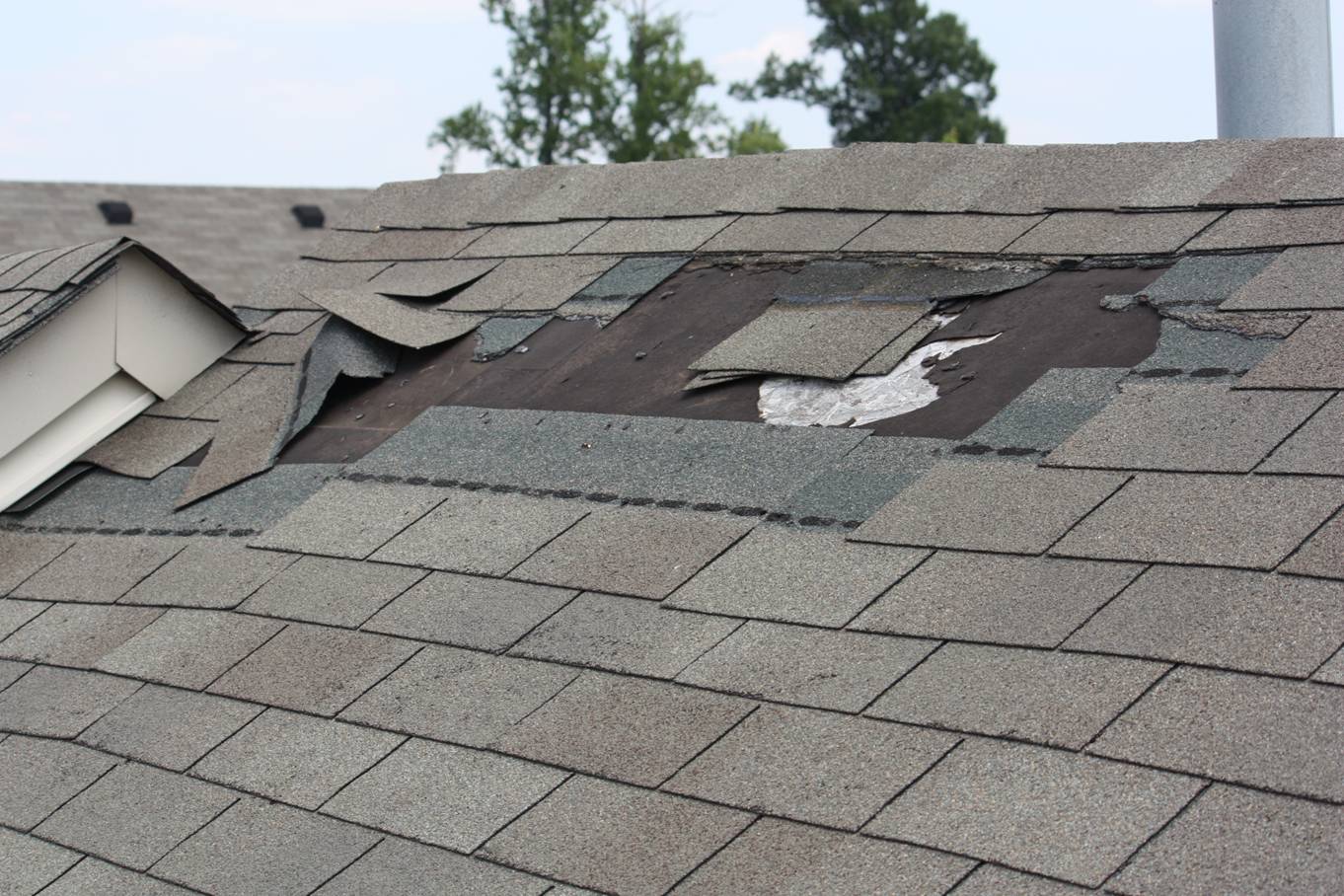
The visible covering is inspected for cracked, curled, blistered, or missing shingles; loose or corroded metal panels; slipped or broken tiles; and on flat roofs, for ponding water, blisters, seam separation, and membrane shrinkage. Just as important is the flashing, the metal that seals around chimneys, skylights, vent pipes, valleys, and wall-to-roof transitions. Flashing and its sealant are among the most common origins of roof leaks, so they get close attention and re-sealing where needed.
From there, attention turns to the systems that keep water moving and air flowing. Gutters and downspouts are cleared and checked so water actually leaves the roof rather than backing up under the edge. Attic ventilation and insulation are assessed where accessible, because poor airflow bakes shingles from below and, in cold regions, drives the ice dams that force water uphill under the covering. A professional also documents findings with notes and photos so you have a clear record and a prioritized list of anything that needs attention now versus later.
- Full inspection of the roof covering for cracked, curled, missing, or loose material
- Close examination and re-sealing of flashing at chimneys, skylights, vents, valleys, and walls
- Checking and resealing exposed fasteners, boots, and penetration seals
- Clearing gutters and downspouts and confirming proper drainage and slope
- Removing debris, moss, and organic buildup that traps moisture
- Assessing attic ventilation and signs of moisture or daylight intrusion
- A written, photo-documented report with prioritized recommendations
How Often to Maintain Your Roof, and How Climate Changes the Answer
As a baseline, a professional roof inspection once or twice a year is sensible for most homes, plus a prompt check after any major storm, hailfall, or high-wind event. Many homeowners pair an inspection with the change of seasons: one in spring to assess winter wear, and one in fall to prepare for the harshest months ahead. Between professional visits, a few low-risk ground-level checks of your own help you catch obvious changes early.
Climate matters enormously, and this is where national guidance has to bend to local reality. In the cold and snowy North and Mountain West, the dominant threats are ice dams, freeze-thaw cycles that crack materials, and snow load, so fall preparation and attic ventilation are critical. In the hot and sunny Southwest, intense UV and heat degrade asphalt and dry out sealants faster, making sun-exposed slopes and flat roofs a priority. In the humid Southeast and Gulf, moss, algae, and rot thrive, and hurricane-force wind makes secure flashing and edges essential. In the rainy Pacific Northwest, persistent moisture means moss control and drainage are nearly year-round concerns.
Older roofs, roofs near overhanging trees, and roofs that have already had repairs deserve more frequent attention than a newer roof in a mild climate. Trees in particular accelerate wear: they drop debris that holds moisture, drag branches across the surface in wind, and shade areas where moss takes hold. If your roof checks several of these boxes, lean toward the more frequent end of the range.
- General baseline: a professional inspection once or twice per year
- Always inspect after major storms, hail, or high winds
- Cold/snow regions: prioritize fall prep, ventilation, and ice-dam prevention
- Hot/sunny regions: watch for UV degradation and dried-out sealant
- Humid/coastal regions: focus on moss, algae, rot, and wind-secure flashing
- Increase frequency for older roofs, tree-covered roofs, and previously repaired roofs
What Homeowners Can Safely Do, and What to Leave to a Pro
You do not need to climb onto your roof to be a good steward of it, and in most cases you should not. A great deal of useful monitoring happens from the ground and from inside the house. Walking the perimeter with a pair of binoculars after a storm, watching for shingle granules collecting at the bottom of downspouts, and inspecting your attic and top-floor ceilings for stains, sagging, or daylight will surface the majority of developing problems early.
Some light maintenance is reasonable for a capable homeowner with the right safety equipment: keeping gutters clear from a stable ladder, trimming back branches that overhang or touch the roof, and clearing leaves and obvious debris from valleys you can reach safely. The guiding principle is to stay off the roof surface itself whenever possible, because walking a roof can damage the covering and, far more importantly, falls from height are a leading cause of serious home-maintenance injuries.
Anything that involves walking the roof, working near the edge, sealing or replacing flashing, repairing the covering, or diagnosing an active leak is work for a professional. Roofers carry the fall-protection equipment, training, and trained eye to spot the subtle early-stage failures that an untrained homeowner will miss, and to fix them correctly the first time without creating new problems. If you are unsure, a phone call costs nothing.
- Safe DIY: ground-level visual checks after storms, monitoring attic and ceilings for stains
- Safe DIY: watching downspouts for shingle granules, keeping reachable gutters clear
- Safe DIY: trimming branches that overhang or rub the roof
- Leave to a pro: anything requiring you to walk the roof or work near the edge
- Leave to a pro: flashing repair, leak diagnosis, and any covering replacement
- Prioritize safety above all: most homeowners should never get on the roof
Roof Maintenance Costs and How Preventive Plans Are Structured
Costs vary widely, so the figures here are typical industry ranges meant as estimates, and your actual price depends on roof size, height and pitch, material, accessibility, your region, and what the visit includes. As a general guide, a standalone professional roof inspection commonly falls in the low-to-mid hundreds of dollars, while a more comprehensive maintenance visit that bundles inspection with gutter clearing, debris removal, minor resealing, and a documented report typically costs somewhat more. Steep, multi-story, tile, or specialty roofs sit at the higher end because they take more time and equipment to service safely.
Many homeowners prefer a maintenance plan over one-off visits because a plan turns roof care into a predictable, scheduled habit rather than a reactive scramble. A typical plan bundles regular scheduled inspections, routine cleaning and minor upkeep, documented reports each visit, and often priority scheduling and discounted rates on any repairs that turn up. The real value is consistency: small issues are caught on a regular cadence instead of being discovered only after they have already caused interior damage.
Weigh the cost against the alternative. A modest annual investment in maintenance is small next to the cost of premature roof replacement or repairing water damage to decking, insulation, and interior finishes. Maintenance is one of the rare home expenses that can pay for itself by deferring a much larger one, and a good provider will give you a clear written scope so you know exactly what is and is not included before any work begins.
- All figures are typical industry estimates that vary by region, size, pitch, material, and scope
- Standalone inspections commonly run in the low-to-mid hundreds of dollars
- Comprehensive maintenance visits (inspection plus cleaning, resealing, reporting) cost more
- Steep, tall, tile, or specialty roofs sit at the higher end due to time and equipment
- Maintenance plans typically bundle scheduled inspections, cleaning, reports, and priority service
- Always get a clear written scope of what each visit covers before work starts
Warning Signs Your Roof Needs Attention Now
Between scheduled maintenance, certain signs mean you should not wait for the next visit. Some are visible outside, some show up inside the home, and a few are subtle enough that homeowners dismiss them until the damage is extensive. Learning to read these signals is one of the most valuable skills a homeowner can have, because the earlier a roofer is called, the smaller and cheaper the repair tends to be.
Interior signs are often the first you will notice and the most urgent, because they mean water is already getting in. Outside, the warning signs tend to show the roof aging or having been disturbed by weather. If you see several of these together, or any active leak, treat it as a call-now situation rather than something to monitor.
- Inside: water stains or discoloration on ceilings or upper walls
- Inside: peeling paint, a musty smell, or visible attic moisture and daylight
- Inside: sagging anywhere in the ceiling line
- Outside: missing, cracked, curled, or buckling shingles
- Outside: shingle granules collecting in gutters and at downspouts
- Outside: damaged, rusted, or lifting flashing around chimneys and vents
- Outside: moss or heavy organic growth and sagging or overflowing gutters
- Any active leak or fresh storm damage: call promptly rather than waiting