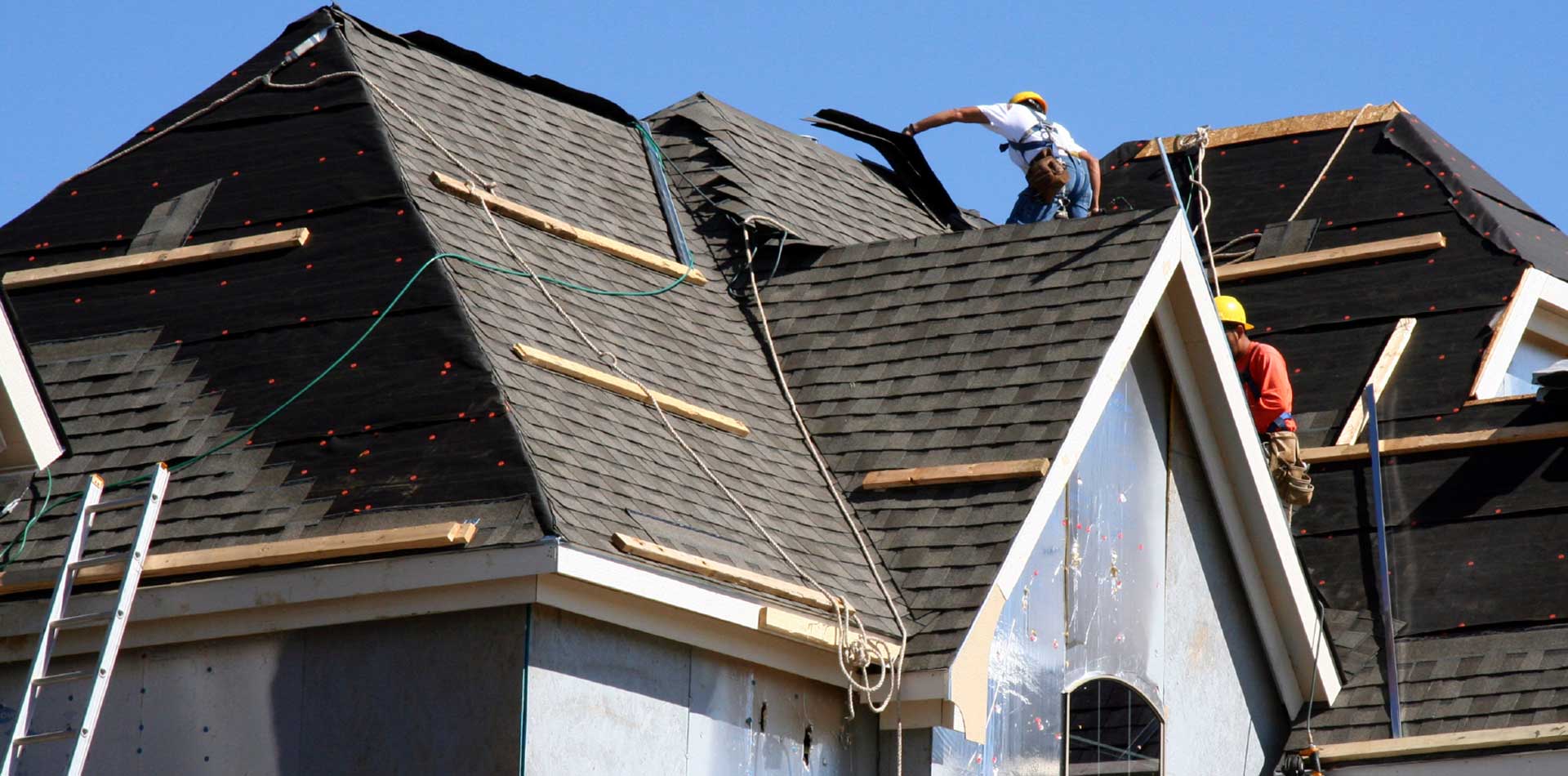
How Roof Replacement Cost Is Actually Calculated
Roofers price by the 'square,' a roofing square being a 10-by-10-foot area, or 100 square feet. A typical single-family home has roughly 15 to 30 squares of roof, but that figure depends on the home's footprint and, critically, the roof's pitch and complexity. Two houses with identical floor plans can have very different roof areas because a steeper or more cut-up roof has more surface to cover.
Most replacement estimates bundle four cost buckets: tear-off and disposal of the old roofing, the new roofing material itself, labor to install it, and the supporting components that make a roof watertight (underlayment, drip edge, flashing, ridge vent, and fasteners). When a contractor quotes a single per-square or total price, all four of those should be inside it, which is why a line-item estimate is so valuable. It lets you see whether a low bid is genuinely cheaper or is simply leaving things out.
As a broad national benchmark, a straightforward asphalt shingle replacement on an average-size home commonly lands somewhere in the range of roughly $5,000 to $14,000, with many typical projects clustering in the middle. Premium materials, large or steep roofs, and significant repairs push well above that. Treat any single number as a starting point for conversation rather than a promise; the only accurate figure is a written estimate based on a look at your specific roof.
- Tear-off and disposal: removing old layers and hauling debris; more layers and heavier materials cost more
- Materials: shingles, tiles, or panels plus underlayment, flashing, vents, and fasteners
- Labor: the largest variable cost, driven by pitch, complexity, height, and access
- Permits and inspection: required in most jurisdictions and built into a complete estimate
Typical Cost Ranges by Roofing Material
Material choice is the single biggest lever on price, and it also drives lifespan, so the cheapest option per square is not always the cheapest over the life of the roof. The ranges below are typical installed estimates (material plus labor) that vary widely by region, roof size, and complexity. Use them to compare relative cost between materials, not as a quote for your home.
Asphalt shingles remain the most common choice in the U.S. because they balance cost, performance, and availability. Architectural (dimensional) shingles cost a bit more than basic three-tab but last noticeably longer and resist wind better, which is why they dominate new installations. Metal, tile, and slate sit at the premium end: they cost more up front but can last decades longer, which changes the long-term math considerably for owners who plan to stay.
Climate matters when you choose. In hurricane- and high-wind regions, impact- and wind-rated products are often worth the premium and may affect insurance. In hot, sunny climates, reflective metal or tile can reduce cooling load. In cold, snowy regions, materials and details that handle ice and shedding load become more important. A good estimate should reflect what actually performs in your part of the country.
- Three-tab asphalt shingles: roughly $4 to $8 per sq ft installed (entry-level, shorter lifespan)
- Architectural/dimensional asphalt: roughly $5 to $12 per sq ft installed (most popular)
- Standing-seam or metal panel: roughly $9 to $18+ per sq ft installed (long lifespan)
- Concrete or clay tile: roughly $10 to $20+ per sq ft installed (very long lifespan, heavy)
- Natural slate: roughly $15 to $30+ per sq ft installed (premium, longest lifespan)
- Synthetic/composite (slate or shake look): roughly $8 to $16 per sq ft installed
The Factors That Move Your Price Up or Down
Beyond material, several roof- and site-specific factors explain why two neighbors can get very different bids. Understanding them helps you anticipate your range before anyone climbs a ladder, and helps you recognize when a quote is fair.
Pitch and complexity are major drivers. A steep roof requires more safety equipment, slows the crew down, and uses more material per square foot of footprint. Every valley, hip, dormer, skylight, chimney, and vent adds flashing work and labor. A simple gable roof is far cheaper to cover than a roof with multiple intersecting planes, even at the same square footage.
The condition underneath also matters. If tear-off reveals rotted or damaged decking, that sheathing must be replaced before new roofing goes on, which adds material and labor. Reputable estimates often note a per-sheet price for decking replacement so there are no surprises. The number of existing layers, accessibility for crews and dumpsters, local labor rates, and the season can all nudge the total as well; demand and pricing often peak in late summer and fall.
- Roof pitch (steepness): steeper roofs cost more in labor and safety setup
- Complexity: valleys, hips, dormers, skylights, chimneys, and penetrations add flashing labor
- Decking condition: hidden rot or damage means replacing sheathing, often priced per sheet
- Number of existing layers and tear-off difficulty
- Access and height: multi-story homes and tight lots slow the work
- Region and season: local labor rates and peak-season demand affect pricing
Repair vs. Full Replacement: Which Makes Financial Sense
Not every leak or storm scar means you need a new roof. The right call depends on the roof's age relative to its expected lifespan, how widespread the damage is, and whether you're fighting recurring problems. A targeted repair can be the smart, economical choice when the roof has years of life left and the issue is localized.
As a general rule of thumb, when damage is confined to a small area on a roof that is well within its service life, a repair usually wins on cost. When a roof is near the end of its rated lifespan, has widespread damage, has multiple existing layers, or keeps leaking despite past fixes, replacement is often the better long-term value; you stop paying for patches that buy diminishing time. Granules filling the gutters, widespread curling or cracked shingles, daylight or moisture in the attic, and sagging are signals that lean toward replacement.
If storm or hail damage is involved, document everything and review your homeowner's policy before committing; sudden, weather-caused damage may be covered, while gradual wear and tear and deferred maintenance typically are not. A thorough inspection is the only way to know which path is right for your roof. We can assess the roof, explain your options in plain terms, and put the numbers in writing so you can decide.
- Lean toward repair: localized damage, roof well within its service life, single layer
- Lean toward replacement: near end of lifespan, widespread damage, multiple layers, or recurring leaks
- Storm/hail damage: document it and check coverage before deciding; sudden damage may qualify, wear typically does not
How to Read an Estimate and Avoid Overpaying
The lowest bid is not automatically the best deal, and the highest is not automatically the safest. The way to protect your budget is to compare estimates line by line so you're comparing the same scope. A complete written estimate makes apples-to-apples comparison possible and exposes the gaps that turn a 'cheap' quote into an expensive surprise.
Look for the specifics: the exact material and product line, the total squares, what's included in tear-off and disposal, the underlayment and flashing being used, how decking replacement is handled and priced, permit handling, cleanup, and the warranty terms on both materials and workmanship. A vague one-line price leaves too much undefined for you to budget accurately, so ask for the detail before you compare.
Getting more than one written estimate is good practice, and a no-cost assessment costs you nothing but time. The goal isn't to chase the rock-bottom number; it's to understand what you're buying and pay a fair price for work done right the first time. When you're ready, call (669) 259-2777 for a free roof assessment and a clear, written estimate for your home or business, nationwide.
- Insist on line items: material/product line, total squares, tear-off, underlayment, flashing, vents
- Ask how decking replacement is priced (usually per sheet) before work starts
- Confirm permits, cleanup, and disposal are included
- Compare warranty terms on both materials and workmanship
- Get it in writing and compare same-scope bids, not just the bottom-line price