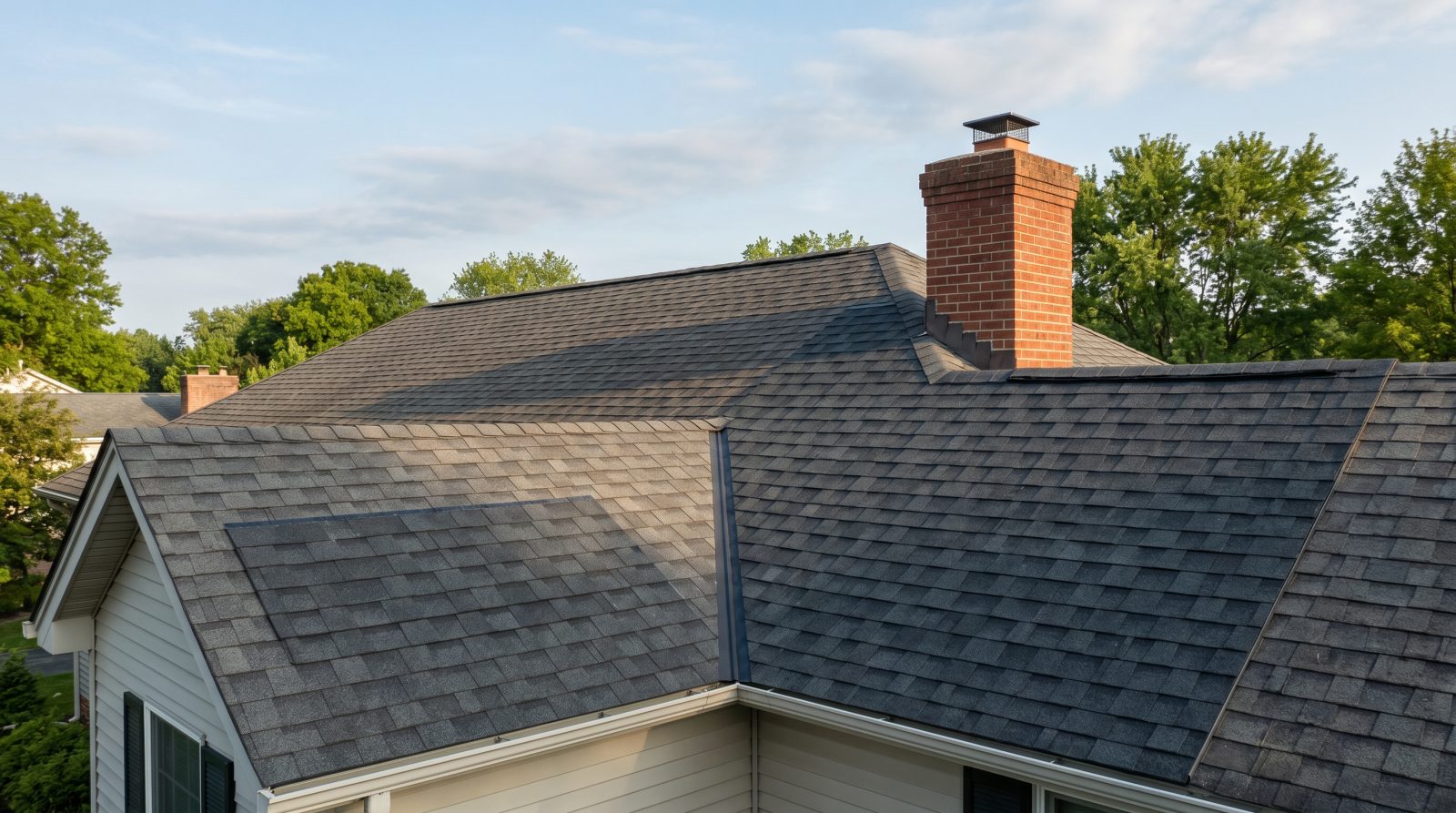
Typical Roof Repair Cost Ranges at a Glance
Most homeowners want one number, but roofing doesn't work that way, the honest answer is a range. As a broad national reference, minor roof repairs commonly land somewhere in the low hundreds of dollars, mid-sized repairs in the high-hundreds to low-thousands, and major structural or large-area repairs from a few thousand dollars upward. These are typical industry estimates only; your actual cost depends on the cause, the materials, the size and pitch of your roof, and how accessible the damage is.
It helps to think in tiers rather than a single price. A small, isolated problem caught early, a few cracked shingles, a loose flashing, a single popped nail, sits at the bottom of the range. A repair that involves opening up a section of the roof, replacing underlayment, and addressing water damage beneath sits in the middle. Anything touching the roof deck, rafters, or a large area moves into the upper tier and starts to overlap with the cost of a partial replacement.
Regional cost of living matters too. Labor rates, permit fees, and even material availability differ from one part of the country to another, so the same repair can run noticeably higher in a high-cost metro than in a smaller market. Climate plays a role as well, roofs in areas with heavy snow load, intense UV, hurricanes, or large hail tend to need more robust repairs and sometimes upgraded materials.
- Minor repairs (a few shingles, small flashing fix, sealing a single penetration): typically low hundreds of dollars
- Moderate repairs (section of shingles, valley or flashing rework, underlayment, minor leak with some interior involvement): typically high hundreds to low thousands
- Major repairs (large damaged area, deck/decking replacement, structural fixes, storm damage): typically several thousand dollars and up
- Emergency or hard-to-access work and steep, multi-story, or specialty roofs trend toward the higher end of each tier
- All figures are planning estimates that vary by region, material, roof size, pitch, and scope, not a quote
What Actually Drives the Price of a Roof Repair
Two repairs that sound identical on the phone can have very different price tags, and the difference almost always comes down to a handful of cost drivers. Understanding them helps you read an estimate critically and spot whether a number is reasonable for your situation.
The single biggest factor is usually the root cause versus the symptom. A water stain on your ceiling is a symptom; the real cost depends on whether it's a small cracked-flashing fix or a leak that's been quietly rotting the decking and framing for months. A good repair price reflects the actual scope discovered, not just the visible stain, which is why a thorough inspection up front protects you from surprise change orders later.
Accessibility and safety are the costs people forget. A single-story ranch with a gentle slope is quick and safe to work on. A steep, three-story roof, or one with limited access for ladders and equipment, requires more setup, more safety gear, and more labor hours for the exact same patch. Roof pitch alone can meaningfully change a price because steeper roofs are slower and riskier to walk.
- Root cause and hidden damage: surface symptom vs. rotted decking, wet insulation, or framing damage underneath
- Materials: asphalt shingle repairs are generally most affordable; metal, tile, slate, and specialty membranes cost more to match and install
- Roof size and the affected area: patching one valley is far cheaper than reworking a large field of the roof
- Pitch and stories: steep and multi-story roofs add labor hours and safety requirements
- Accessibility: tight lot access, landscaping, and height all affect setup time
- Permits and code: some jurisdictions require permits or code upgrades that add to the total
- Urgency: emergency tarping and after-hours work typically carry a premium
- Region and season: labor rates and demand (especially after major storms) shift pricing
Cost by Roofing Material
Material is one of the clearest dividing lines in roof repair pricing because it affects both the cost of the replacement pieces and the skill required to install them correctly. The numbers below are typical relative ranges, expect your local market and the specific repair to move them.
Asphalt shingles are the most common residential roofing in the U.S. and generally the least expensive to repair. Replacement shingles are inexpensive and widely available, and the work is straightforward for an experienced crew. The main caveat is color matching, older or discontinued shingles can be hard to match exactly, which sometimes pushes a small repair toward replacing a larger blended section for a clean appearance.
Metal, tile, slate, and flat or low-slope membrane roofs each carry their own repair economics. Metal panel repairs require matching the profile and finish and sealing correctly to avoid corrosion. Tile and slate are durable but brittle, individual pieces can be costly and walking the roof to reach a broken one requires care to avoid creating new cracks. Flat and low-slope roofs (common on additions and commercial buildings) use membranes like TPO, EPDM, or modified bitumen, where proper seam welding and detailing matter enormously and a botched patch simply leaks again.
- Asphalt shingle: typically the most affordable to repair; watch for color/age matching on older roofs
- Metal: moderate to higher; profile matching and corrosion-safe sealing are key
- Clay or concrete tile: higher; brittle pieces and careful access drive cost
- Slate: among the most expensive; specialized handling and matching required
- Flat / low-slope membrane (TPO, EPDM, modified bitumen): cost varies widely by seam and detail work; proper welding is critical
- Wood shake/shingle: moderate to higher; matching weathered material and fire-code considerations apply in some regions
Common Repairs and What Influences Each One
Pricing makes a lot more sense when you map it to the actual problem. Below are the repairs homeowners and business owners ask about most, with the factors that move each one within its range. None of these are flat prices, they're meant to help you understand where your situation likely falls before you get a real estimate.
Leak repairs are the most variable of all because the price is driven by what's found, not the leak itself. A leak traced to a single failed flashing or a popped nail is a quick, lower-cost fix. A leak that has been active for a while, or one entering far from where it shows up inside, can involve drying out and replacing underlayment, decking, and insulation, which is what pushes some 'simple leaks' into the thousands.
Flashing, valleys, and roof penetrations (around chimneys, skylights, vents, and pipe boots) are responsible for a large share of leaks, and they're often where money is well spent. These transition points concentrate water and are the first details to fail. A correct flashing repair costs more than a smear of sealant but lasts years rather than months, which is the difference between a real repair and a band-aid that brings you back next season.
- Leak repair: driven by hidden damage, entry point distance, and how long it's been active
- Shingle replacement: number of shingles, matchability, and roof area affected
- Flashing and valley repair: a common leak source; proper metal work outlasts sealant patches
- Pipe boots, vents, and skylight seals: small parts, but precise detailing is what stops recurring leaks
- Chimney flashing and cricket work: more involved due to masonry transitions
- Sagging or soft spots: signal possible deck or structural damage, typically the upper cost tier
- Emergency tarping after a storm: stabilizes the roof now; the permanent repair is priced separately
How to Get an Accurate Estimate (and Avoid Overpaying)
The best way to avoid sticker shock is to get a real inspection before anyone quotes a price. A reputable roofer should look at the roof itself, not just the ceiling stain, identify the root cause, and explain what they found and why the recommended scope addresses it. An estimate built on guesswork tends to either balloon mid-job or come back to haunt you with a repeat leak.
When you compare estimates, line up scope, not just the bottom number. The cheapest quote can be the most expensive choice if it only patches the symptom, while a slightly higher quote that fixes the actual cause and replaces compromised underlayment may cost far less over the next few years. Ask each provider to spell out what's included: materials, the area being addressed, whether underlayment or decking work is part of the price, cleanup, and what happens if hidden damage is found once the roof is opened.
Watch for a few red flags. Be cautious of any quote given sight-unseen over the phone with no inspection, pressure to sign immediately, large upfront payment demands, or vague language that doesn't specify the actual work. Insurance is worth raising too, if the damage is storm-related, the cause and documentation can affect what's covered, so a thorough, well-documented inspection helps on that front as well.
Roof Repairs provides nationwide roofing help and free roof assessments so you get a clear, honest picture of what your repair actually involves before you commit. For a free assessment and a straightforward estimate for your home or business, call (669) 259-2777.
- Insist on an actual roof inspection before any price is quoted
- Compare scope and root-cause fixes, not just the lowest number
- Confirm what's included: materials, area, underlayment/decking, cleanup, and hidden-damage handling
- Be wary of sight-unseen quotes, high-pressure sales, and large upfront deposits
- For storm damage, get a documented inspection that supports any insurance claim
- Call Roof Repairs at (669) 259-2777 for a free, no-pressure roof assessment