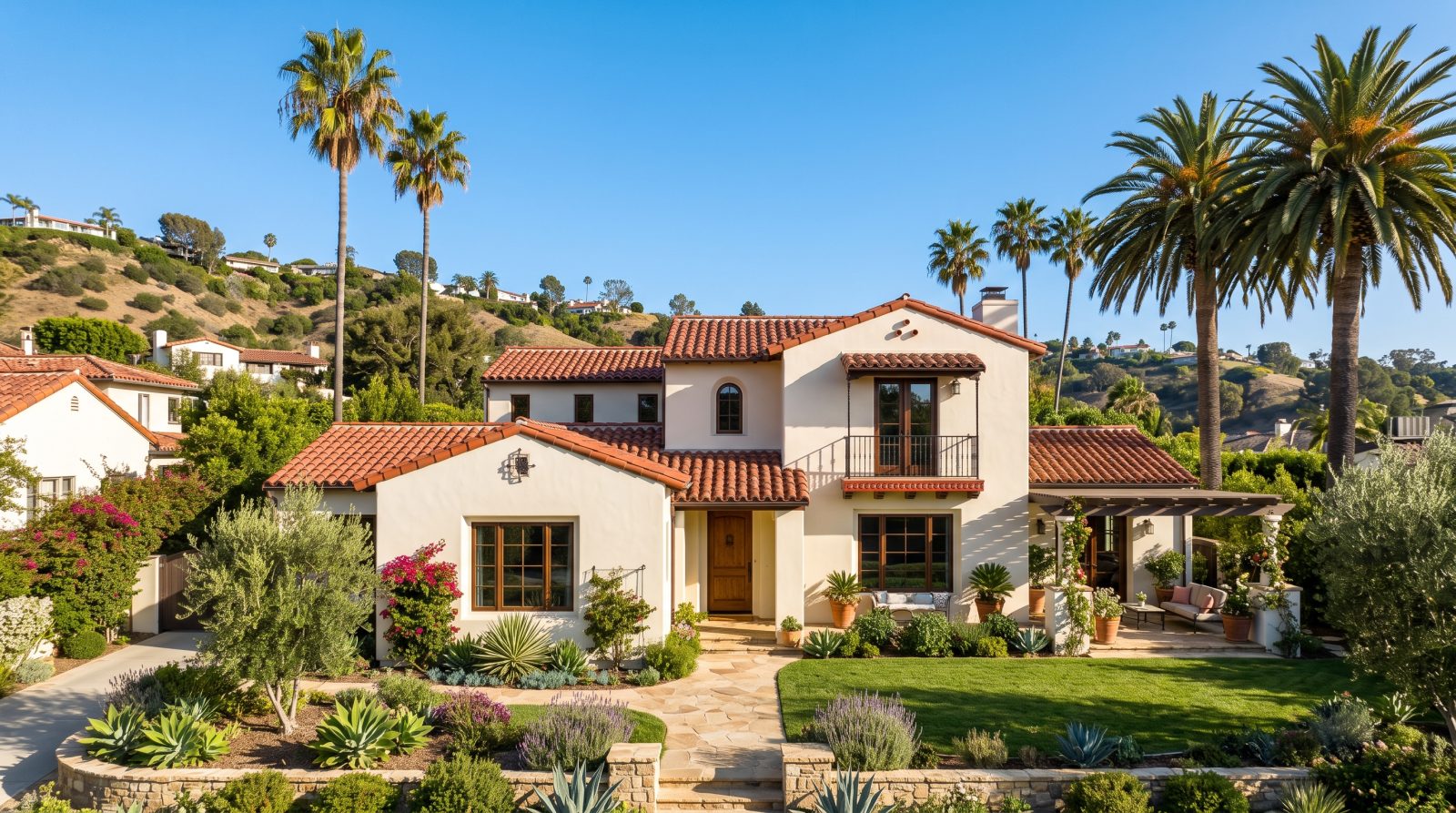
The LA Climate Is Hard on Roofs — Just Not the Way People Think
Most people picture roof damage as the result of snow, ice, or driving rain. In Los Angeles the damage is slower and sneakier. The single biggest enemy here is the sun. With long, intense UV exposure and surface temperatures that can soar on dark or flat roofs, asphalt shingles dry out and lose their protective granules, sealants crack, and the bituminous membranes on flat roofs blister, shrink, and split at the seams. This kind of wear is gradual, so a roof can look fine from the street while it is quietly aging past its useful life.
The second factor is moisture you do not expect. The marine layer that rolls in across the Westside, South Bay, and coastal-adjacent neighborhoods means many mornings of damp, then rapid afternoon drying. That repeated wet-dry cycle works at flashing, underlayment, and tile mortar. When the rains finally do come — often in short, heavy bursts — a roof that has been baking and contracting all summer is the one that suddenly leaks.
Santa Ana wind events add a third stress. Strong, dry, gusty winds lift and crack tiles, peel back flashing, and drive debris across low-slope roofs. After a big wind event is one of the most common times we get called out across the Valley and the foothill communities.
- Sun and UV: dried-out shingles, lost granules, brittle sealants, blistered flat-roof membranes
- Marine-layer wet-dry cycling: degraded flashing, underlayment, and tile mortar over time
- Santa Ana winds: lifted or cracked tiles, peeled flashing, wind-driven debris damage
- Short, intense rain bursts that expose problems built up over a dry summer
Spanish Tile and Flat Roofs: LA's Two Signature Repair Jobs
Drive through neighborhoods like Pasadena, Hancock Park, Silver Lake, or much of the Eastside and you will see roof after roof of Spanish and clay barrel tile. Tile is beautiful and long-lasting, but the tiles themselves are not usually what fails — it is the underlayment beneath them and the flashing around penetrations. When a tile roof leaks, the fix is rarely 'replace the whole roof.' More often it means lifting and resetting cracked or slipped tiles, replacing failed underlayment in the affected area, and re-sealing valleys, ridges, and around vents and chimneys. Walking a tile roof also requires care; tiles crack underfoot when handled by people who do not work on them regularly.
On the flat and low-slope side — extremely common on mid-century, modern, and many multi-family and commercial buildings across LA — repairs center on the membrane and the details. Built-up roofs, modified bitumen, and single-ply systems all fail first at seams, transitions, drains, scuppers, and any spot where water can pond. Because flat roofs do not shed water quickly, even a small ponding area or a split seam can drive a persistent leak. We diagnose the actual entry point rather than just coating over symptoms, because a fresh coat over a bad seam buys you months, not years.
Older homes add their own wrinkle: original framing that has settled, multiple layers of past roofing, and outdated flashing details. A good LA roof repair accounts for the age and history of the structure, not just the visible damage.
- Tile roofs: reset slipped/cracked tiles, replace underlayment in affected zones, re-seal valleys and penetrations
- Flat/low-slope roofs: repair membrane seams, transitions, drains/scuppers, and ponding-prone areas
- Flashing repair around chimneys, skylights, vents, and parapet walls — a leading leak source
- Care for older housing stock: settled framing, layered past roofing, dated flashing
Wildfire Risk and Class A Fire-Resistant Roofing
In Los Angeles, the roof is one of the most important parts of a home's wildfire defense. Wind-blown embers can travel well ahead of a fire front and land on roofs, gather in gaps, and ignite vulnerable materials. For homes in and near the foothills, canyons, and designated high fire hazard areas — think the communities along the Santa Monica Mountains, the San Gabriel foothills, and similar wildland-urban interface zones — fire-resistant roofing is a serious consideration.
Class A is the highest fire-resistance rating for roofing assemblies, and materials like clay and concrete tile, metal, and many modern composite and asphalt systems can achieve it when installed as part of a proper assembly. Just as important as the covering are the details that embers exploit: gaps at the eaves, open valleys, debris build-up, and unscreened vents. When we repair roofs in higher-risk areas, we pay attention to closing the ember-vulnerable points, not just patching the leak.
If you live in a high fire hazard zone, local building requirements may influence what materials and assemblies are appropriate for repairs and replacements. We can talk through fire-resistant options as part of an assessment so you understand the trade-offs before any work begins.
- Embers, not just flames, are the main roof threat during LA wildfire season
- Class A assemblies (tile, metal, qualifying composites/asphalt) offer the highest fire resistance
- Close ember-entry points: eave gaps, open valleys, debris, unscreened vents
- Material choices for repairs may be shaped by local high fire hazard zone requirements
Areas We Serve Across the LA Metro
We serve Los Angeles and the surrounding areas, covering a wide swath of the metro rather than a single neighborhood. That includes much of LA County and the distinct sub-regions that each bring their own roofing realities.
On the Westside and in the South Bay, the marine layer and salt-tinged air make moisture management and flashing condition a priority. In the San Fernando and San Gabriel Valleys, intense summer heat and Santa Ana winds drive a lot of UV-aged shingle and lifted-tile work. In the foothill and canyon communities, wildfire-resistant detailing comes to the front. And across the central city and Eastside, the older housing stock means a steady mix of tile, flat-roof, and flashing repairs on homes that have been standing for the better part of a century.
Because we cover the broader metro, we can match the repair approach to the conditions in your specific part of town instead of applying a one-size-fits-all fix.
- LA County broadly, including the city of Los Angeles and many surrounding communities
- The San Fernando and San Gabriel Valleys (heat, wind, UV-driven wear)
- The Westside and South Bay (marine-layer moisture, coastal exposure)
- Foothill and canyon communities where wildfire-resistant detailing matters most
Timing, Seasons, and Storm/Insurance Realities
The best time to repair an LA roof is before the rainy season, not during it. Los Angeles gets most of its rain in a relatively short window, and that is exactly when small, unaddressed problems turn into active leaks and interior damage. A late-summer or early-fall assessment gives you time to handle UV-aged shingles, cracked sealant, slipped tiles, and tired flat-roof seams while the weather is dry and predictable.
After major storm or wind events, call volume across the region spikes and roofs that were already marginal start failing all at once. If you suspect storm or wind damage, documentation matters: clear photos, notes on when the damage appeared, and a professional assessment all help if you decide to involve your insurer. We do not handle your claim for you and we cannot promise any particular insurance outcome, but a thorough, honest assessment gives you the facts to make that decision.
One LA-specific note: because so many roofs here fail from slow sun and age rather than a single dramatic event, plenty of repairs are simply overdue maintenance rather than 'storm damage.' Knowing which one you are dealing with affects both your options and how you pay for the work.
- Schedule assessments and repairs before the rainy season, ideally late summer to fall
- After wind or storm events, document damage with photos and dates
- An honest assessment helps you decide whether to involve insurance — outcomes are never guaranteed
- Many LA repairs are age- and sun-driven maintenance, not single-event storm damage
Honest Notes on Roof Repair Costs in Los Angeles
Roof repair pricing in Los Angeles varies widely, and anyone quoting a firm number sight-unseen should be treated with caution. Cost depends on the roof type, the extent of the damage, access and height, the materials involved, and how much hidden damage turns up once the affected area is opened. A handful of slipped tiles and a re-sealed flashing detail sit at the low end. Replacing a section of failed underlayment under tile, rebuilding a leaking flat-roof seam, or repairing widespread UV and wind damage sits considerably higher.
As a general guide, minor repairs — a small flashing fix, a few tiles, a localized sealant repair — tend to fall in the lower hundreds of dollars, while more involved repairs that require opening up the roof, replacing underlayment, or addressing multiple problem areas can run into the low thousands. Tile and specialty materials, steep or hard-to-access roofs, and older homes with surprises behind the surface all push toward the higher end of any range. These are general ranges, not quotes or guarantees.
The honest path is an in-person assessment: we look at the actual roof, identify the real source of the problem, and give you a clear picture of what the repair involves and roughly what it should cost for your situation. That way you are deciding based on your roof, not a generic price chart.
If your LA roof is leaking, aging, or you simply want to know where it stands before the next rains, call to schedule a free roof assessment — we will take a look and give you a straight answer.