
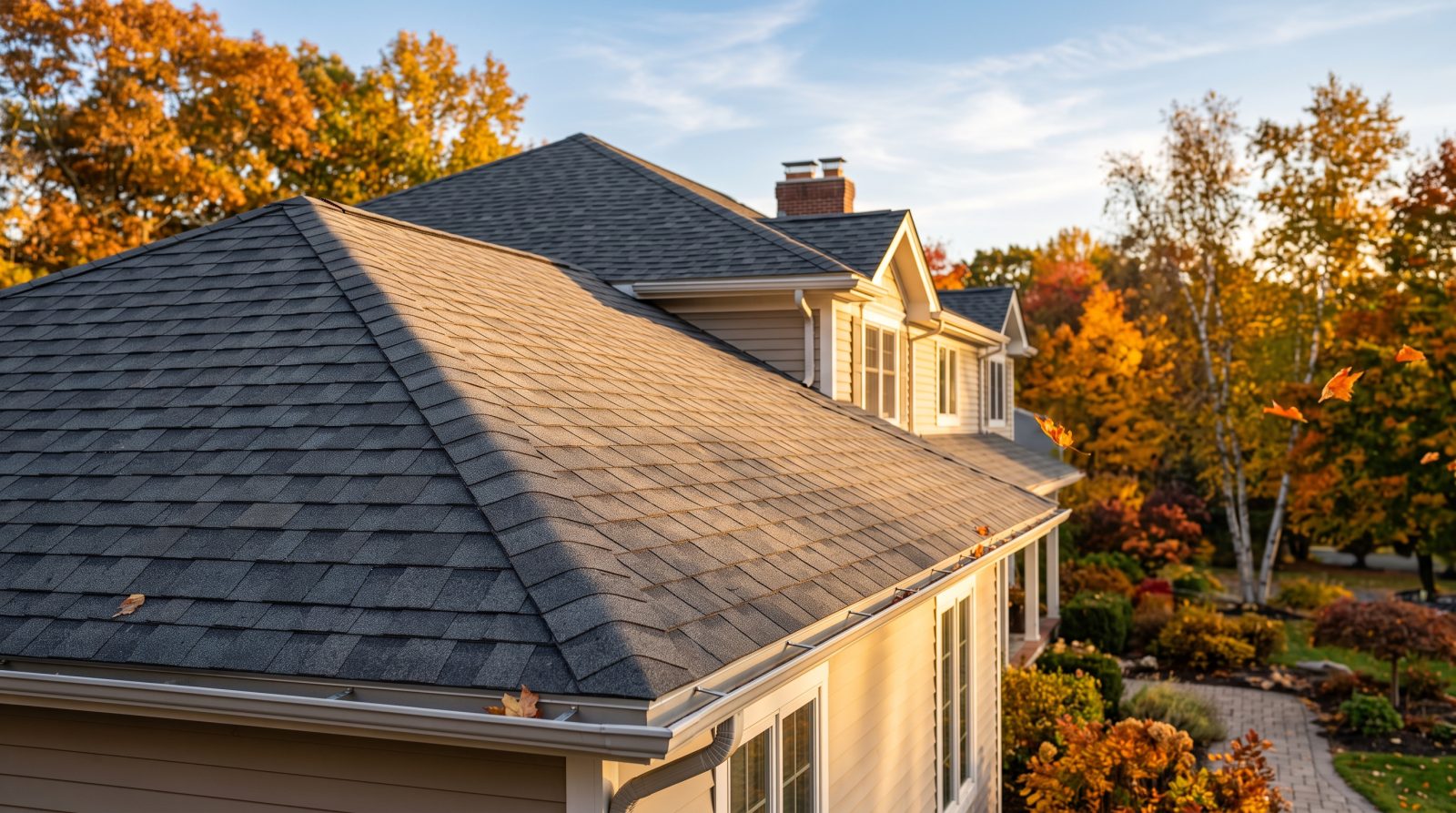
The Best Time of Year to Replace Your Roof
Every season has a hidden upside and a real catch when it comes to a new roof. Here's how to time your replacement so you get the best work, the best value, and the least stress.
There's No Perfect Month — But There Is a Smart One for You
Ask ten roofers when to replace a roof and most will give you a tidy answer: fall. It's the crowd favorite for good reason. But the honest truth is that the "best" time depends less on the calendar and more on your situation — how urgent the damage is, how flexible your budget is, what material you're installing, and what the weather actually does where you live. A homeowner in a mild coastal climate has very different timing math than someone bracing for hard winters or brutal summer heat.
Here's the mental model to use as you read on. Roof replacement is governed by three forces that pull against each other: weather (can crews work safely and can materials cure properly), demand (how booked-up reputable companies are, which drives both your wait time and your pricing leverage), and urgency (whether your roof can safely wait or is actively letting water in). The best season is wherever those three forces line up in your favor. For many people that's a shoulder season — late spring or early fall — but there are very good reasons to break that rule, and we'll get into all of them.
Spring: The Eager Start With a Wet Catch
Spring feels like the natural time to tackle home projects, and roofing is no exception. After winter, many homeowners discover damage they couldn't see in the cold months — curling shingles, popped nails, a stain on the ceiling that wasn't there in the fall. Temperatures climb into the comfortable range that asphalt shingles like, which helps them seal properly. And getting it done in spring means your roof is buttoned up well before the next round of summer storms or winter weather arrives.
The catch is moisture and unpredictability. Spring is one of the rainier stretches of the year across much of the country, and rain doesn't just delay a job — it can stretch a short install into a week of stop-start scheduling as crews wait for a dry window to tear off and dry in the deck. Spring is also when the phones start ringing again, so the best companies fill their calendars quickly. If you want a spring slot, the move is to book early — ideally before the season even starts.
- Best for: catching winter damage before it worsens; sealing up before storm season
- Watch out for: rain delays and a fast-filling schedule
- Pro move: schedule in late winter to lock an early-spring date before the rush
Summer: Long Days, High Heat, and a Busy Crew
Summer is peak roofing season, and it earns that status. Long daylight hours mean crews have more working time each day, which can help a typical residential job move quickly. Early summer in particular tends to offer stable, dry stretches that make for clean, predictable installs — exactly what you want when you're tearing off an old roof and exposing the deck.
The downsides are heat and competition. On a sunny day a roof surface gets punishingly hot, which can slow crews down, soften some materials, and push work toward early-morning hours. In regions with afternoon thunderstorms, summer skies turn fast, so a morning that started clear can end with a tarp scramble. And because so many homeowners want summer dates, this is often the hardest season to get a quick appointment — and the season where you'll likely have the least pricing leverage. If summer is your target, treat it like booking a popular venue: reserve well ahead and stay flexible on start dates.
- Best for: long workdays and faster completion; dependable dry spells in many regions
- Watch out for: extreme heat slowing work, afternoon storms, and packed schedules
- Pro move: aim for early summer and book well in advance
Fall: The Industry Favorite (And Why It's Earned)
If there's a consensus "best" season, it's fall — and the reasoning is sound. Temperatures in early to mid-autumn tend to sit in the sweet spot for asphalt shingles to seal correctly: warm enough that the adhesive strips bond, cool enough that crews aren't fighting peak heat. Rain is often less relentless than spring, and the weather is more predictable in many areas, which can mean fewer surprise delays. Most importantly, finishing in fall gets your home sealed and protected before winter's freeze-thaw cycles, ice, and heavy weather arrive — which is when a vulnerable roof tends to do the most damage.
The trade-off is that everyone knows this. Fall is the season reputable companies are slammed, and as the window narrows toward the first frost, getting a slot becomes a race. Waiting too long is genuinely risky in colder climates: shingles need a certain amount of warmth (and often direct sun) to seal, and a roof installed too close to a cold snap may not fully bond until the following spring. The takeaway is simple — fall is fantastic, but it rewards people who plan early in the season rather than scrambling at the end of it.
- Best for: favorable sealing temperatures, predictable weather, beating winter
- Watch out for: high demand and a hard deadline as cold weather closes in
- Pro move: target early-to-mid fall and don't wait until the last warm week
Winter: The Underrated Off-Season — With Real Limits
Winter has a reputation as the season you can't replace a roof, and that's only half true. In mild and warmer climates, roofing continues year-round, and winter can quietly be one of the smarter times to buy. Demand drops, which often means shorter wait times, more attentive scheduling, and more room to talk price. And if your roof is failing right now, waiting out the winter is rarely the right call — a leak doesn't pause for the calendar, and an emergency replacement in any season beats living with active water intrusion.
The limits are real, though, and they're physical, not just preferential. In freezing conditions, asphalt shingles become brittle and can crack when handled or nailed, and the adhesive strips may not seal until temperatures rise — sometimes not until spring. Snow and ice make roofs dangerous to work on and can hide the condition of the deck underneath. Experienced crews have cold-weather techniques (like hand-sealing) to work around some of this, but there's a temperature floor below which doing it right simply isn't possible. Winter's verdict: strong in warm regions and for urgent situations, careful and situational in cold ones.
- Best for: warmer climates, off-season availability, and urgent situations that can't wait
- Watch out for: brittle shingles, sealing that stalls until spring, snow and ice safety limits
- Pro move: in cold regions, reserve winter for emergencies; in mild ones, use it for value
What Actually Decides Your Timing (Beyond the Season)
Season is the headline, but a few practical factors usually matter more for your decision. The first is urgency. If water is getting in, the best time to replace your roof is now — every storm that passes over compromised decking and insulation tends to raise the eventual cost. A small, fast leak repair can sometimes buy you time to schedule a full replacement during a better window, and that's often the right play, but only a professional inspection can tell you whether waiting is safe.
The second is your material. Asphalt shingles are the most temperature-sensitive and the most season-dependent. Metal, tile, and synthetic systems behave differently and can widen your usable calendar. The third is demand and price. Roofing follows the same supply-and-demand logic as any service: in the busy seasons you tend to pay more and wait longer; in the quieter stretches you often find more availability and more flexibility. Finally, there's planning lead time — the single biggest lever most homeowners overlook. Booking a quality company ahead of time doesn't just secure your preferred season, it gives you room to compare honest assessments, understand your options, and avoid the high-pressure, sign-today pitch that tends to follow big storms. If a contractor shows up uninvited promising a rushed, today-only deal, slow down and get a second opinion.
- Urgency: active leaks override the calendar — get it assessed now
- Material: asphalt is the most season-sensitive; metal and tile are more flexible
- Demand: off-peak seasons tend to mean shorter waits and more flexibility
- Lead time: booking ahead is the highest-leverage move you can make
The Bottom Line: Plan the Season, But Don't Gamble With a Failing Roof
If you can choose freely, aim for a shoulder season and book early — early-to-mid fall is the classic pick in climates with real winters, with late spring a close second. Those windows tend to give you the cleanest installs and the best balance of weather and scheduling. But timing is a luxury that only applies when your roof can safely wait. The moment you see active leaking, daylight through the deck, or storm damage, the calendar stops mattering and the priority becomes protecting your home from the next weather event.
The smartest thing you can do is start with information rather than a guess. A professional roof assessment tells you whether you're dealing with a small repair that can hold until your ideal season or a replacement that shouldn't wait — and that single answer makes the whole timing question easy. Call us at (669) 259-2777 for a free roof assessment, and we'll help you figure out the right move and the right timing for your roof, your climate, and your budget.
Frequently asked questions
So what is the single best time of year to replace a roof?
For many homeowners in climates with real winters, early-to-mid fall is the sweet spot — temperatures tend to be favorable for shingles to seal, weather is relatively predictable, and you finish before winter arrives. Late spring runs a close second. That said, the genuinely best time is whenever your situation lines up: if your roof is leaking, the best season is right now, and in mild climates winter can offer strong value and availability.
Can you really replace a roof in winter or in the rain?
In warmer climates, winter roofing is routine. In freezing conditions it gets tricky — asphalt shingles become brittle and may not seal until temperatures rise, so experienced crews use cold-weather methods and sometimes recommend waiting. Roofing is never done in active rain; crews need a dry window to tear off and seal the deck, which is why wet seasons tend to see more scheduling delays. A professional can tell you whether your conditions are workable or worth waiting out.
How far ahead should I book a roof replacement?
As early as you reasonably can — especially for spring, summer, or fall, when reputable companies tend to fill up fast. Booking ahead secures your preferred window, gives you time to weigh your options without pressure, and helps you avoid the rushed, sign-today sales tactics that often circulate after big storms. If you have active damage, don't wait on the calendar; get an assessment first and let the findings guide the timing.
Need roofing help? Get a free assessment.
Call now and get a straight answer about your roof — repair, replacement, or just peace of mind.
Call (669) 259-2777