
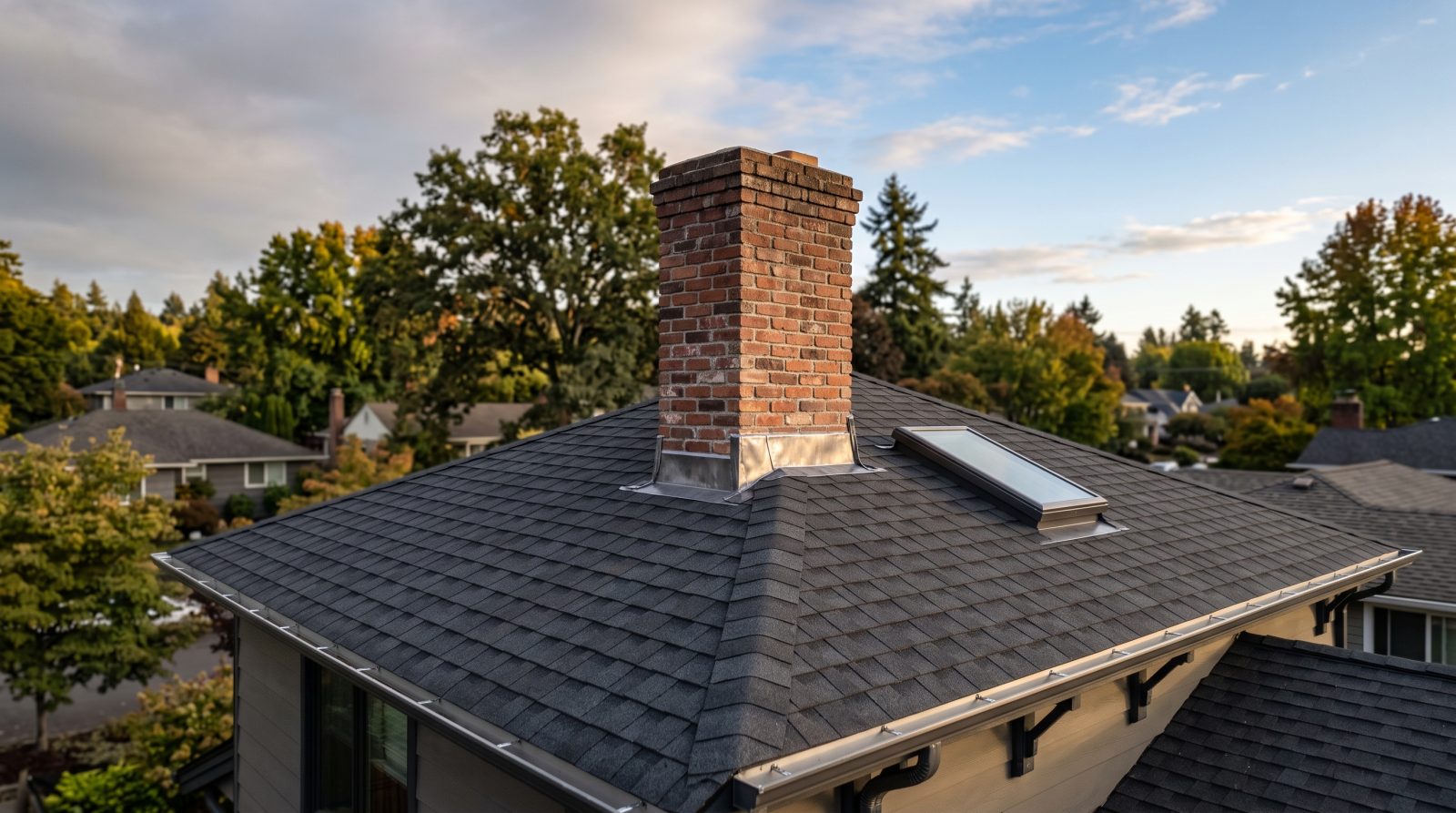
5 Roof Problems That Get Far More Expensive If You Wait
A small roof issue rarely stays small. Here are the five problems that quietly multiply their own repair bill the longer you put them off, and how to catch them while they're still cheap.
The cruel math of a roof you're ignoring
Here's the thing about roof problems that almost nobody tells you up front: they don't wait politely until you're ready to deal with them. A roof is a system, and the moment one part of it fails, water starts hunting for the next weakest point. What starts as a fix you could have handled on a Saturday afternoon turns into a project that involves tearing out drywall, swapping rotted wood, and writing a check with a comma in it.
The frustrating part is that the early stage is usually cheap, fast, and undramatic. There's no flood, no caved-in ceiling, no insurance adjuster standing in your living room. That quiet phase is exactly why people wait. But the cost of a roof repair doesn't rise in a straight line as you delay. It tends to curve upward, because each ignored problem creates one or two new ones, and those new problems cost more than the original.
Below are five of the most common offenders, ordered roughly by how fast and how brutally they escalate. For each one, you'll get the early warning signs, what it turns into, and a realistic sense of how the dollars move. Treat this as a triage guide for your own roof in 2026, whether you own a home or a commercial building.
1. The small leak that becomes deck rot, framing damage, and mold
This is the king of expensive waiting. A single compromised spot, maybe a cracked shingle, a popped nail, or a tiny gap around a vent, lets a trickle of water through. At this stage it's almost invisible. Maybe a faint stain on the ceiling that you tell yourself is old, or a slightly musty smell in the attic you don't go up to anyway.
Left alone, that trickle soaks into the wooden roof deck, the sheet of plywood or OSB your shingles are nailed to. Wet wood rots. Rotted decking won't hold fasteners well, so the surrounding shingles start to fail too, which opens more entry points. From there the water can reach the framing, the rafters and trusses that hold the whole roof up, and it tends to bring mold with it. Mold remediation is its own specialty trade, and structural repairs can mean you're now paying a roofer, possibly a carpenter, and possibly a remediation crew.
The cost curve here is the steepest of any problem on this list. A targeted leak repair caught early is typically among the least expensive roofing jobs you can have done. Wait long enough and you're looking at deck replacement, framing repair, interior drywall and insulation, and mold work, which can climb into the thousands and occasionally well beyond, depending on how much of the structure got wet. Those are general, estimate-style ranges rather than a fixed price, and your actual number depends on region, materials, and how far the damage spread.
The takeaway: a ceiling stain is never just a ceiling stain. It's a receipt for something happening above it.
- Early signs: faint ceiling stains, a musty attic smell, daylight visible through the roof deck, granules in the gutters.
- What it becomes: rotted decking, weakened framing, attic mold, ruined insulation, interior repairs.
- Why waiting hurts: one entry point can multiply into many, and you end up paying multiple trades instead of one roofer.
2. Failed or missing flashing around the roof's weak points
Flashing is the thin metal that seals the joints where your roof meets something else: chimneys, skylights, vent pipes, walls, and the valleys where two roof planes come together. These transitions are among the most leak-prone areas on any roof, which is exactly why flashing exists. When it lifts, corrodes, separates, or was installed poorly to begin with, water goes straight to the spots most likely to channel it into your home.
What makes flashing sneaky is that the failure is often hidden under the shingle edge or behind a chimney, so you won't spot it from the ground. The first sign is frequently an interior one, water staining near a chimney breast or below a skylight, by which point water has already been traveling. Because flashing sits at high-traffic water points, a failure here tends to dump concentrated water rather than a slow seep, so it can escalate to the deck-rot problem above unusually fast.
Re-sealing or replacing a section of flashing is a relatively contained repair when it's the only issue. The expense climbs sharply once that concentrated water has been feeding the decking and framing around a chimney or skylight curb, because now you're rebuilding the surrounding structure, not just bending new metal. Catching flashing early is one of the highest-leverage roof decisions you can make.
- Check the usual suspects: chimney bases, skylight edges, vent pipe collars, wall-to-roof joints, and roof valleys.
- Early signs: rust streaks, lifted or loose metal, cracked sealant, interior stains near a chimney or skylight.
- Why waiting hurts: flashing failures concentrate water at the worst possible spots, accelerating structural rot.
3. Clogged gutters that quietly attack the roof and the house
Gutters feel like the least glamorous part of the roof, which is precisely why they get ignored until they cause expensive trouble. Their entire job is to catch water coming off the roof and carry it away from the building. When they fill with leaves, grit, and shingle granules, that water has nowhere to go but over the edge, behind the gutter, and back toward the structure.
The damage can radiate in several directions at once. Water backing up under the roof edge can rot the fascia and the roof decking along the eaves. Overflow that pools against the foundation can find its way into a basement or crawlspace. In colder regions, clogged gutters are a common contributor to ice dams, where water freezes at the roof edge, backs up under the shingles, and forces itself indoors. A single clog can therefore generate roof damage, foundation issues, and interior leaks at the same time.
Cleaning gutters is one of the cheapest pieces of property maintenance there is, and it prevents some of the most annoying mid-tier repairs. The asymmetry is almost absurd: a routine cleaning a couple of times a year versus fascia replacement, eave deck repair, foundation water mitigation, or ice-dam damage. Those are general ranges that vary widely by climate and how long the neglect ran, but the direction is never in your favor when you wait.
- Early signs: water spilling over gutter edges during rain, sagging gutter sections, plants growing in the trough, peeling paint on fascia.
- What it becomes: rotted fascia and eaves, foundation water intrusion, basement leaks, ice dams in cold climates.
- Why waiting hurts: one clog can spread damage upward to the roof and downward to the foundation at the same time.
4. Missing or damaged shingles that open the door for the rest
After a storm or a stretch of high wind, it's common to lose a few shingles or have some lifted and cracked. From the curb it can look cosmetic, a slightly patchy roof, no big deal. The problem is that each missing shingle exposes the layer underneath and, eventually, the deck itself. Shingles also protect each other; once a gap opens, wind can get underneath the neighboring shingles and peel them back too, so a small bare patch tends to grow.
An exposed area is an open invitation for every other problem on this list. Water reaches the deck directly, sun and weather degrade the underlayment, and the failure spreads outward from the gap. What could have been a quick replacement of a handful of shingles becomes a larger section repair, and if it sat through enough wet weather, it folds right back into the deck-rot scenario.
Replacing a few shingles promptly is a small, fast job. The cost grows as the bare area expands and as water gets to work beneath it. There's also a worthwhile aside here: be cautious with high-pressure, door-knocking sales pitches that sometimes appear right after a big storm and push you toward an immediate, oversized contract. The smart move after storm damage is a proper assessment of what's actually wrong, then a repair scoped to the real damage, not a rushed decision made on your porch.
- Early signs: visibly missing or curled shingles, shingle pieces in the yard, dark patches where granules wore off, exposed nail heads.
- What it becomes: a spreading bare area, degraded underlayment, direct deck exposure, and eventually rot.
- Smart move: get an honest assessment after a storm and scope the repair to the real damage.
5. Poor attic ventilation that ages the whole roof early
This is the problem almost no homeowner thinks about, because it doesn't announce itself with a leak. A roof needs to breathe. Proper ventilation lets hot, moist air escape the attic and pulls cooler air in, keeping the underside of the roof deck dry and the attic temperature in check. When ventilation is blocked or was never adequate, heat and moisture get trapped right under your roof.
The consequences are slow but expensive. Trapped heat can essentially cook shingles from below, shortening their usable life so you replace the roof sooner than you should have. Trapped moisture condenses on the deck and framing, feeding the same rot and mold problems described above, except now it's happening across the whole attic instead of at one leak point. In winter, an overheated attic can also drive ice dams by melting snow unevenly on the roof. Bad ventilation, in other words, quietly amplifies several of the other four problems at once.
Improving ventilation, adding or unblocking soffit and ridge vents, is a moderate, one-time investment compared with the cost of premature roof replacement, attic-wide moisture repair, or a recurring ice-dam habit. Of everything on this list, it's the problem most likely to be silently shaving years off your roof while you have no idea anything is wrong.
- Early signs: an attic that's stiflingly hot, condensation or frost on the underside of the deck, a roof that ages faster than expected.
- What it becomes: prematurely worn shingles, attic-wide moisture and mold, recurring ice dams, early roof replacement.
- Why waiting hurts: it's invisible, so it keeps degrading the entire roof until the bill arrives all at once.
The pattern: catch it small, or pay for it big
Notice what all five problems have in common. Each one starts cheap and contained, each one is easy to ignore in its early phase, and each one tends to recruit the others as it grows. A clog feeds rot. Bad ventilation feeds ice dams. A missing shingle feeds a leak. That interconnection is the real reason waiting gets so expensive, because you're rarely paying to fix just one thing by the time you finally act.
The single most cost-effective habit you can build for your roof is simple: look at it, or have someone look at it, before you have a reason to. A periodic assessment, plus a quick check after any serious storm, catches the large majority of these issues while they're still in the cheap phase. You don't need to become a roofing expert. You just need to stop the small problem before it learns how to multiply.
If anything in this list sounded familiar, a stain you've been watching, gutters you can't remember cleaning, shingles that went missing after the last big wind, it's worth getting eyes on it now rather than after the next rain. Call (669) 259-2777 for a free roof assessment, and find out whether you're dealing with a quick fix or something that's been quietly getting more expensive.
Frequently asked questions
How often should I have my roof inspected?
A reasonable rhythm for most homes and commercial buildings is a periodic professional assessment plus a quick check after any major storm or high-wind event. The goal is simply to catch the small problems, a lifted shingle, failing flashing, a clog, while they're still cheap to fix. Older roofs and roofs in harsh climates generally benefit from more frequent looks.
Is it really cheaper to fix a roof problem early?
Almost always, and the reason is that roof problems tend to compound. A small leak caught early is a contained repair, but the same leak left alone can spread to the deck, the framing, the insulation, and into mold, which means paying for multiple repairs instead of one. The early-stage fix is typically among the least expensive roofing jobs there is. Exact costs are general estimate ranges that vary by region, materials, roof size, and how far the damage has already traveled, not a fixed quote.
I lost a few shingles in a storm. Do I need to act right away?
It's worth getting an assessment promptly rather than waiting for the next rain. Even a small bare patch exposes the layers beneath, can let wind peel back neighboring shingles, and gives water a direct path to the deck. A quick, scoped repair now usually prevents a much larger one later. Be cautious of high-pressure pitches that sometimes appear right after storms and push an oversized contract on the spot; an honest evaluation of the actual damage should come first.
Need roofing help? Get a free assessment.
Call now and get a straight answer about your roof — repair, replacement, or just peace of mind.
Call (669) 259-2777