
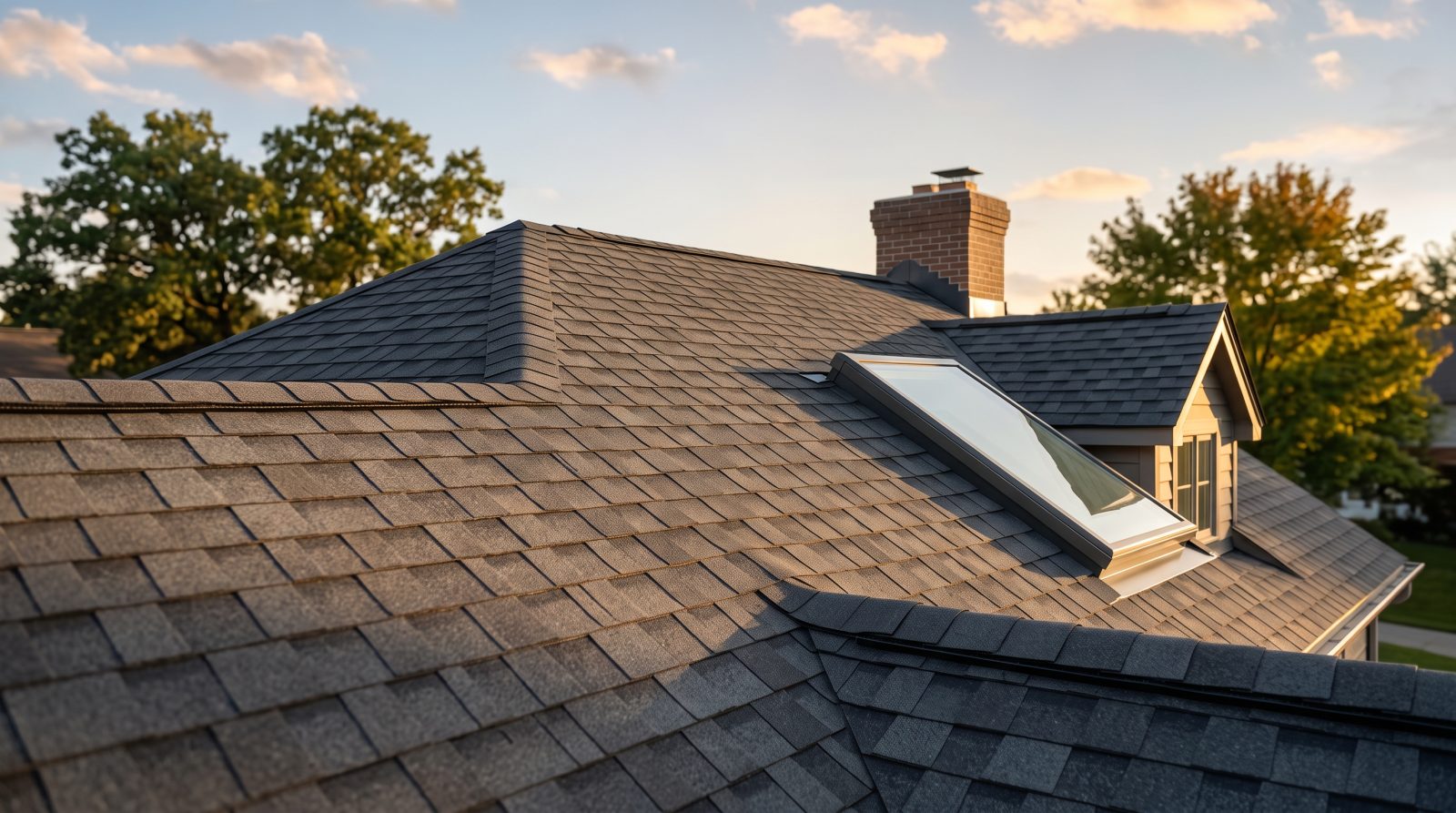
What a New Roof Really Costs in 2026 (and Why Quotes Vary So Much)
Two contractors look at the same roof and hand you wildly different numbers. Here's what's behind the price in 2026 and how to compare bids without getting played.
Why One Roof Gets Three Very Different Numbers
You invite three contractors to look at the same roof, on the same house, in the same week, and you get back three quotes that feel like they're describing three different jobs. One is shockingly low. One is eye-wateringly high. The third lands somewhere in the middle and makes you wonder if it's the 'right' one. If that's left you frustrated and a little suspicious, you're reading the correct article.
Here's the truth most people don't realize until they're knee-deep in proposals: a roof price isn't one number, it's a stack of decisions. Material grade, how many old layers come off, the steepness and complexity of the roof, what's hiding under the shingles, how a crew is paid, and how much warranty and cleanup are baked in all move the final figure. Two honest companies can quote the same roof differently simply because they're solving the problem differently.
The goal of this post isn't to give you a magic price. No one can quote your roof from the internet, and anyone who promises a firm number sight-unseen should make you nervous. The goal is to make you the smartest person in the room when those proposals land, so you can tell a thoughtful bid from a thin one and pay for the roof you actually want.
The Six Things That Actually Move the Price
Before you compare any quotes, understand the levers. Almost every dollar difference between bids traces back to one of these six factors. When a number surprises you, ask which of these is driving it, and the conversation gets a lot clearer.
Most of these aren't optional luxuries, they're the realities of your specific house. A steep, cut-up roof with three skylights and a layer of old shingles to tear off is simply a bigger job than a low-slope ranch with clean decking, no matter who's holding the clipboard.
- Material choice: Asphalt shingles, architectural shingles, metal, tile, slate, and flat-roof membranes sit at very different price points, and the gap is large.
- Roof size and pitch: Roofers price by the 'square' (100 sq ft). A bigger footprint costs more, and a steep pitch adds labor, safety equipment, and time on every square.
- Tear-off vs. layovers: Removing old roofing, hauling it away, and disposal fees add real cost. Going over an existing layer is cheaper up front but often a false economy.
- Complexity: Valleys, hips, dormers, skylights, chimneys, and multiple roof planes all mean more cuts, more flashing, and more labor than a simple gable.
- Hidden damage: Rotten decking, soft sheathing, or failed flashing found mid-job changes the scope. Good bids note a per-sheet allowance so this isn't a nasty surprise.
- Labor, warranty, and overhead: Skilled, insured crews and longer workmanship warranties cost more than a day-labor crew with no paper trail, and that difference shows up in the price.
Typical 2026 Price Ranges by Material
Let's talk numbers, with a giant asterisk: the figures below are typical industry ranges for an installed roof, not a quote. They're estimates that move with your region, the size and pitch of your roof, the brand and grade of material, current labor and material costs, and the full scope of the job. Treat them as a way to sanity-check a proposal, not as a promise.
As a rough mental model, asphalt is the budget-friendly workhorse, metal is the long-life mid-to-premium choice, and tile and slate are the high-end, decades-long investments. Where you land inside each range depends almost entirely on the six factors above. A small, simple roof can come in well under these spans, while a large, complex, or premium-spec home can exceed them.
Commercial and flat roofs play by slightly different rules, since membrane systems (like TPO, EPDM, and modified bitumen) are priced and installed differently than steep-slope residential roofs. If you're roofing a business or a low-slope section of a home, expect the conversation to center on the membrane system and drainage rather than shingle style.
- Asphalt / 3-tab shingles: roughly $4–$8 per sq ft installed — the entry point for most homes (estimate, varies widely).
- Architectural / dimensional shingles: roughly $5–$12 per sq ft installed — the popular upgrade for looks and lifespan (estimate, varies widely).
- Standing-seam or metal panel: roughly $9–$18+ per sq ft installed — long life, higher up-front cost (estimate, varies widely).
- Clay or concrete tile: roughly $10–$22+ per sq ft installed — heavy, durable, often regional (estimate, varies widely).
- Natural slate: roughly $15–$30+ per sq ft installed — premium, very long-lived, specialized labor (estimate, varies widely).
- Flat / low-slope membrane (TPO, EPDM, mod-bit): priced by system and drainage, typically a separate conversation from steep-slope (estimate, varies widely).
Why a Cheap Quote Can Cost You More
The lowest bid is the most seductive and the most dangerous. Sometimes it's genuinely competitive. Often, it's low because something was left out, and you only discover what when the invoice grows or the roof fails early. A new roof is one of the largest single repairs most homeowners ever make, so a 'deal' that turns into a redo is no deal at all.
Watch for the classic ways a bid gets artificially thin. A quote that assumes a layover instead of a full tear-off skips disposal and inspection of the decking. A bid that's silent on flashing, drip edge, underlayment, or ventilation is quietly counting on you not asking. And a price that seems impossibly low can signal an uninsured crew or thin materials, which is exactly where problems hide.
There's also a pattern worth naming generically: after a big storm, out-of-area crews sometimes blanket a neighborhood with rock-bottom prices, do fast work, and move on before anything can go wrong. The price looks great until you need someone to stand behind the work and there's no one local to call. A roof is only as good as the company still around to honor its warranty.
- No line for tear-off or disposal — the old roof has to go somewhere, and that costs money.
- Vague or missing details on underlayment, flashing, drip edge, and ventilation.
- No mention of how rotten decking is handled or priced if found.
- No proof of insurance, no written workmanship warranty, no clear company you can reach later.
How to Compare Quotes Apples to Apples
Comparing roofing bids only works when they describe the same job. Most of the time they don't, which is why the numbers feel impossible to line up. The fix is simple: standardize what each contractor is quoting before you compare prices. Ask every company the same questions and put their answers side by side.
Pay special attention to scope and warranty. A bid that includes a full tear-off, new underlayment, proper flashing, upgraded ventilation, complete cleanup with a magnetic nail sweep, and a real workmanship warranty is worth more than a bare-bones number, even if it's higher. You're not just buying shingles, you're buying a system and the people who install it.
When you do this, the mystery usually dissolves. The 'expensive' quote often turns out to be the complete one, and the 'cheap' quote reveals what it quietly left out. That's the moment you stop guessing and start choosing.
- Same material and grade: are you comparing architectural shingles to architectural shingles, or to bargain 3-tabs?
- Full tear-off vs. layover: confirm each bid removes old roofing down to the deck.
- Decking allowance: ask the per-sheet price for replacing any rotten plywood found during work.
- The full system: underlayment, ice-and-water shield where needed, flashing, drip edge, and ventilation should all be spelled out.
- Warranty terms: separate the manufacturer's material warranty from the contractor's workmanship warranty, and get both in writing.
- Cleanup and protection: dumpster, landscaping protection, and a magnetic sweep for nails should be included, not extra.
Getting a Number You Can Actually Trust in 2026
The single most valuable thing you can do is get a real, in-person assessment from a contractor who walks the roof (or safely inspects it), measures it, looks at the attic and ventilation, and writes a detailed, itemized proposal. A serious estimate is specific. It names the material, the scope, the warranty, and how surprises are handled. A scribble on the back of a business card is not a quote, it's a guess.
It also helps to be honest with yourself about timeline and goals. Are you planning to sell in two years, or stay for twenty? That answer changes whether a longer-lived material is worth the up-front cost. A good contractor will talk through the trade-offs with you instead of pushing you toward the priciest option by default.
Finally, don't let price be the only filter. The right roof at the right price from a company that won't be there next year is a bad deal. Weigh the number against the scope, the warranty, and whether you actually trust the people doing the work. Get that combination right and a new roof becomes what it should be: decades of protection you rarely have to think about. When you're ready for a real, itemized number you can trust, call Roof Repairs at (669) 259-2777 for a free roof assessment.
Frequently asked questions
How long does a new roof actually last?
It depends heavily on the material and the quality of the install. As a general guide, basic asphalt shingles tend to last the shortest, architectural shingles longer, metal longer still, and tile or slate the longest of all, often for many decades. Proper ventilation, good flashing, and a skilled installation matter as much as the material itself, which is one more reason the cheapest install can shorten a roof's real-world life.
Can I just put a new roof over my old one?
Sometimes it's allowed, and it's cheaper up front because you skip tear-off and disposal. But it's often a false economy. Going over old roofing hides any rot or damage on the decking, adds weight, can shorten the new roof's lifespan, and may complicate warranties. In most cases a full tear-off down to the deck is the safer, longer-lasting choice. The right answer depends on your specific roof, which is exactly what an in-person assessment is for.
Why won't anyone give me a firm price over the phone?
Because a responsible roofer can't see your roof through a phone. Size, pitch, complexity, the condition of the decking, and your ventilation all change the price, and none of that is visible from a quick call. A phone call can give you a ballpark and book a real assessment, but a trustworthy firm quote comes after someone actually evaluates your roof in person. Call (669) 259-2777 to set one up.
Need roofing help? Get a free assessment.
Call now and get a straight answer about your roof — repair, replacement, or just peace of mind.
Call (669) 259-2777